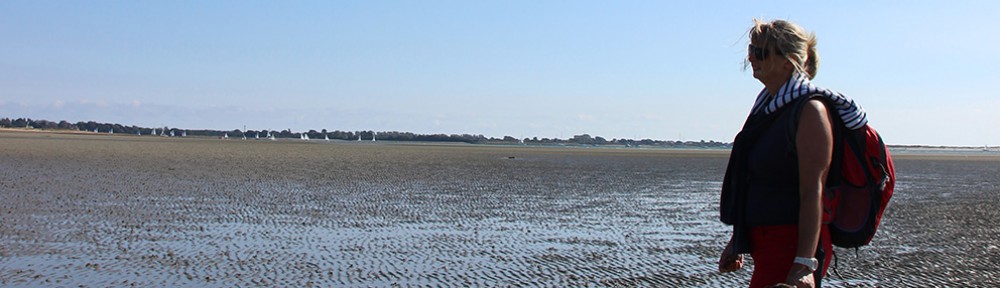
It’s not the noise of gunfire I’m bothered about, it’s the unexploded bombs …
Our new home at Lulworth Camp in Dorset has been full of surprises. There’s the occasional rattle of gunfire, but with a sea view from almost every window, I’m not complaining. I’ve also nabbed the room with the best view as my study – so no excuse about lack of inspiration for writing.
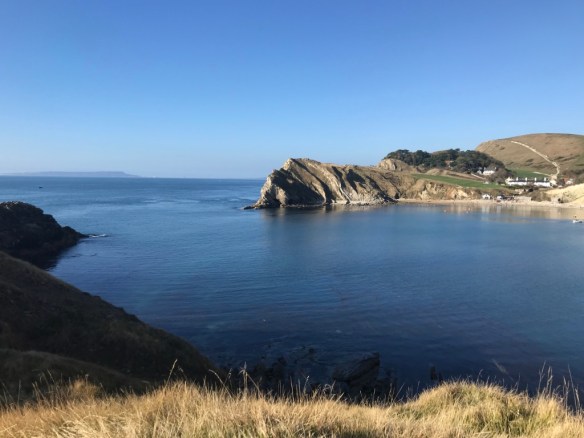 The night before we moved in we enjoyed a stay in a local hotel overlooking Lulworth Cove. It was a real treat. We were even upgraded and that never happens to me. The suite had its own colour coordinated settee and tea and proper coffee and an enormous bed. The trouble is moving house and all the excitement didn’t equal a peaceful night’s sleep… At 4am we were discussing a nightmare about a crab (something to do with what we’d eaten apparently), when I was unnerved by something and let out a bit of a scream. Moments later there was a knock on the door asking us to, “keep it down in there.” One of us shouted that we were all right, convinced they would think there was a murder happening. Breakfast was a little awkward. Moving scrambled egg around the plates, we wondered which of the other couples had banged on our door and did they know we were ‘the screamers’?
We’re in Thomas Hardy country now, so exploring should be done on foot, or at least by bicycle. The local ordinance survey map shows footpaths galore, with one small hitch; many of the paths crisscross the army ranges that surround us and live firing means they’re only open at weekends and during school holidays.
After the hazy days of unpacking boxes, painting rooms (because you can only take so much magnolia) and finding our way to a supermarket – the first free weekend arrived bright and sunny. Although the garage sort out was beckoning, we turned our back on it and joined two energetic members of the family pedalling east in search of a forgotten village and an almost deserted beach.
The long climb up Tyneham Hill made me dream of an electric bike, but the view from the top and the sausage sandwiches helped. It seemed strange to be cycling through a firing range where cows and sheep grazed in amongst rusted out tanks. There was really very little to show that this was army territory apart from some large florescent numbers that stood out from the gorse on the hillside.
The next surprise was Tyneham village – a place that time forgot. The deserted village is only accessible when the firing ranges are open and lies just up from the sea, nestled in a valley at the foot of a fantastic freewheeling hill. The cluster of stone buildings includes a church, a school, some tumbled down cottages and the remains of a vicarage. When we arrived there were small groups of people wandering between the buildings, but unlike many tourist spots, a hush had descended. People spoke in muted voices as if, Doctor Who-like, we had travelled back in time to the 1940s when the village folk had moved out to allow the army to prepare for D-Day.
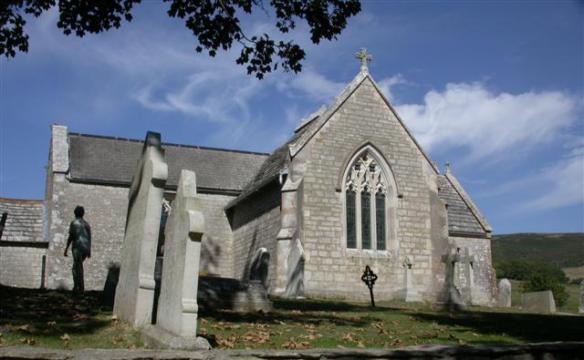
Tyneham Church by Ben Gamble www.geograph.org.uk
The story of Tyneham deserves a dedicated blog and I’ve vowed to return for longer next time and soak up that palpable history from the beautifully preserved schoolroom to the church with its colourful tiles and walls lined with photographs from the past. A remembrance service is held there each year, which must be very poignant. Part of the sign left on the church door by parishioners in 1943 read: “…We have given up our homes to help win the war to keep men free. We will return one day thank you for treating the village kindly.” Sadly, they never returned.
After a tough cycle, for some of us, and an exceptionally hot day for October, we were looking forward to a dip in the sea. There was a slight hitch as no-one had brought a bike lock and a zealous ranger told us we couldn’t even push our bikes on the range path to the beach. Undeterred we hid the bikes in some bushes and hoped for the best.

Warbarrow Bay emerged around the corner glistening in the sunshine and we all stripped off and plunged into the very cold crystal clear water. Five minutes was long enough for me to say I’d had a swim to the anchored boat and back. It was amazing to think we were swimming in the bay we could see from our house.
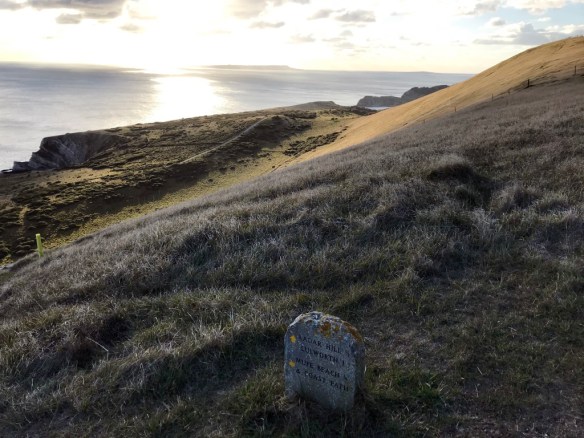
The next weekend wasn’t quite as warm, but we decided to explore the other end of the bay on the range walks and battled our way up a very steep hillside on the cliffs, while a sharp northerly wind made me pull my woolly hat down over my ears.


We spotted a sign warning us to keep off the barb wired beach due to unexploded shells, which we dutifully obeyed. Further up the cliff the path broadened out and with no-one about one of us decided it was safe to venture off the path a few metres into some shrubbery to… you know, call of nature. It turned out this was a bad idea. Catching up with me a few minutes later I heard how he’d spooked himself after kicking over a piece of metal, only to read the words: ‘Danger unexploded shells – keep out’. At which point he looked around and spotted dozens of pieces of metal poking out from the undergrowth in all directions.
Oops!
Lesson 1: Use the facilities before you venture out on the ranges. Unexploded anythings deserve respect.


 rachelfarmer