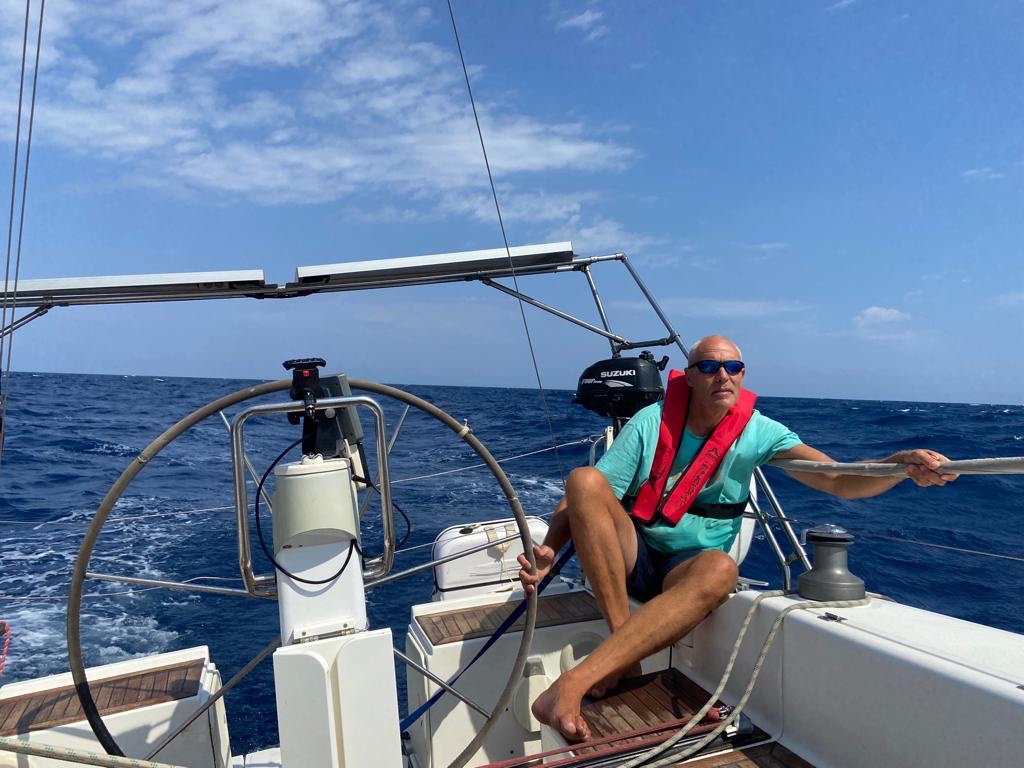
Where am I?

Do you ever have that feeling of waking up and wondering where you are? It’s happened to me on and off over the years – sleeping in strange beds and plenty of unfamiliar rooms for a variety of reasons!

Although we’re always on board the same boat, outside the locations change and so do our neighbours. The other day I woke up to the sound of New Zealand accents on the adjacent yacht and popping my head out on deck, I was greeted by a friendly voice, “How are you this morning?” A few days earlier it had been German accents and before that French.

Our neighbours over the past few weeks have been varied and many. It’s been one of the many joys of this extended trip, getting to meet so many sailors from different parts of the world and often mooring up beside them again at different anchorages and greeting them like old friends, sharing stories of where we’ve been in between and what we’ve seen, along with the inevitable sailing nightmare tales! They’ve also been on hand to help with ropes and getting moored in harbours in various strengths of wind, everyone has been helpful and kind.
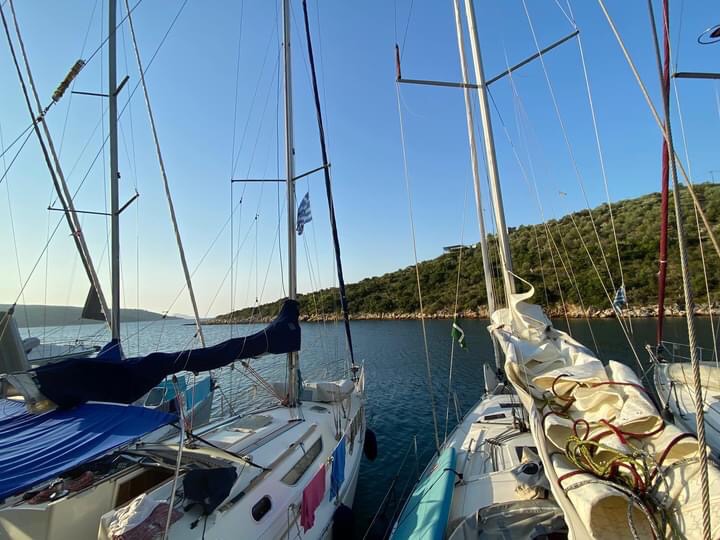
The other morning I woke up in the saloon of the boat, as the cabin had got too hot in the night. I couldn’t remember where we were and even more confusing was hearing the twang of “Kiwi accents” again. I’d forgotten that having left this friendly family behind a few days earlier, we’d found ourselves moored next to them again the previous afternoon in a new location.

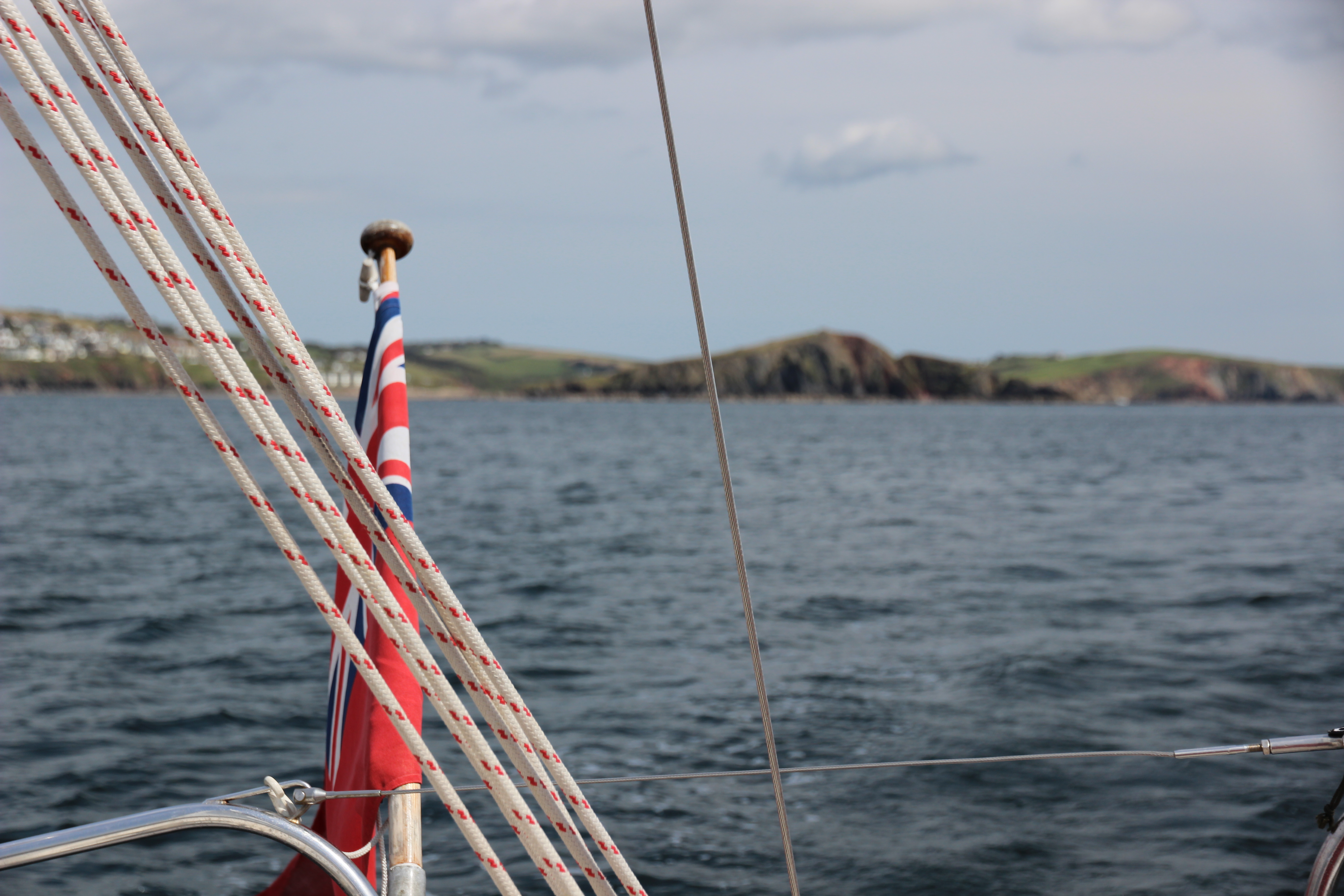
I’ve loved the friendliness of fellow sailors. The other day, the skipper of a boat anchored across from us in a bay swam over to chat about our sun canopy. He explained how he and his wife had sailed here from Brittany. We talked about our Devon flag and places he loved in England, especially Cornwall. When left he said, “We’re practically cousins!”
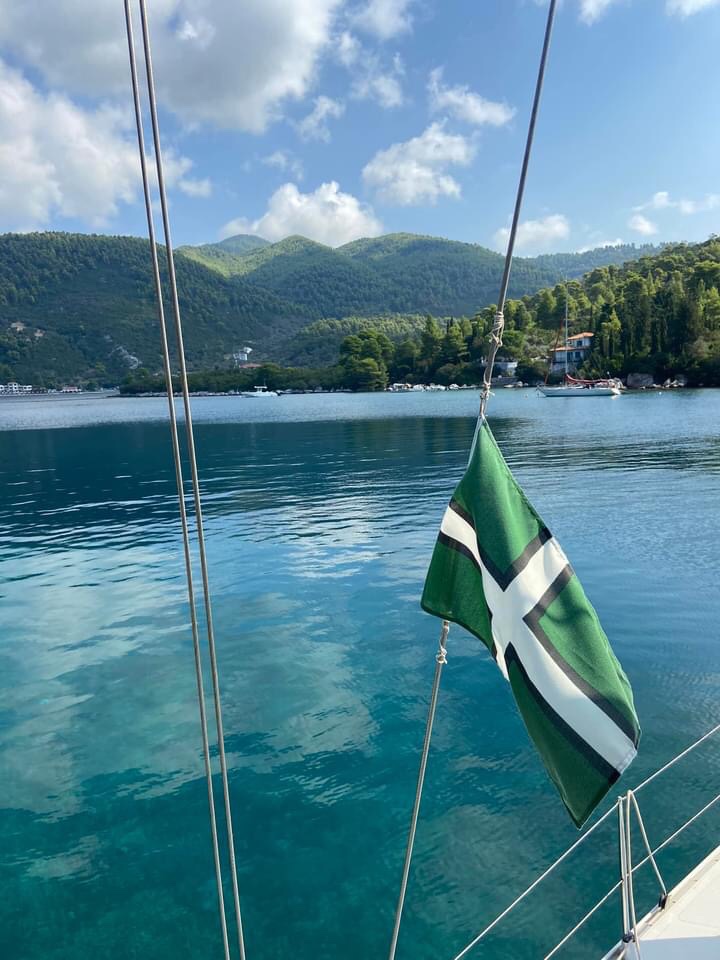
In our favourite port on the island of Alonnisos we found our new neighbours were a couple who’d been stranded in Australia during lockdown, and their lovely wooden boat had been damaged, but they hadn’t been able to get back to it. He was a native greek with a shock of white hair and he and his Australian partner shared tips with us on easy meals to cook on board along with sailing tales from around the islands. We nicknamed her ‘Shirley Valentine’ and wished them well with their boat rebuilding in the coming months as we upped anchor and set sail again.

Today we chatted with our new Danish neighbours about places to visit and last night we were back onboard yacht Zigzag – sharing a few glasses of wine with a Cornish couple, we keep meeting up with and who are now anchored a few metres away in this idyllic bay.

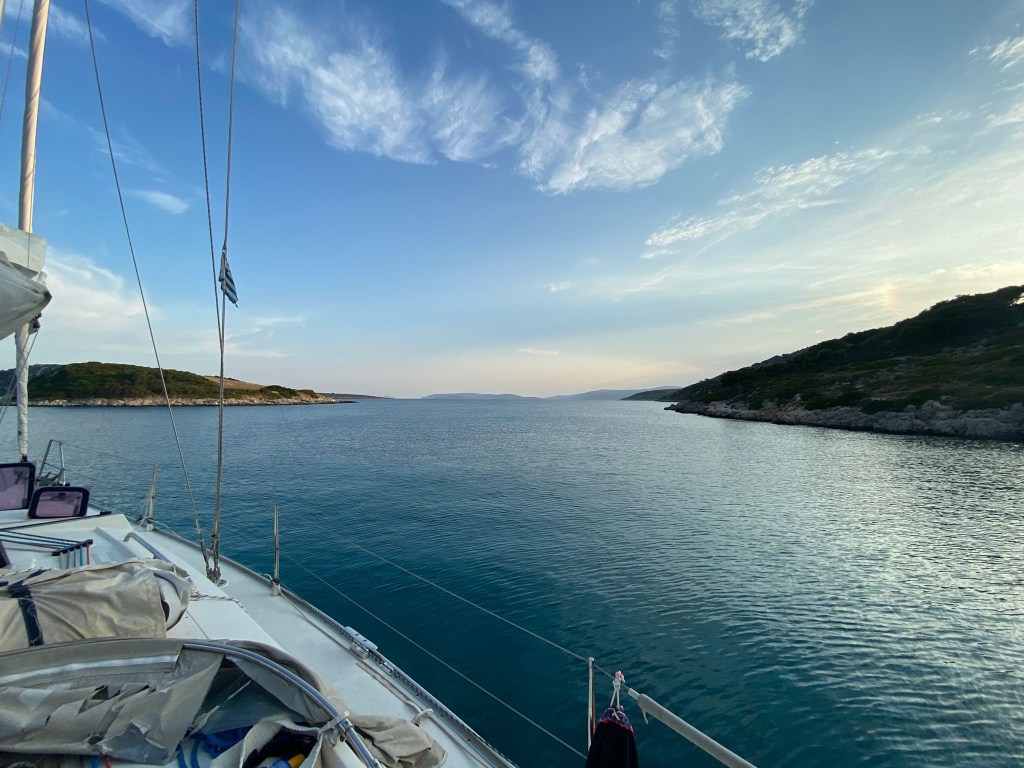
When we swam before breakfast this morning, it felt as if we were in our own giant swimming pool. Even in the deep water around the boat the seabed was so clear you could see each little pebble and rock far below.
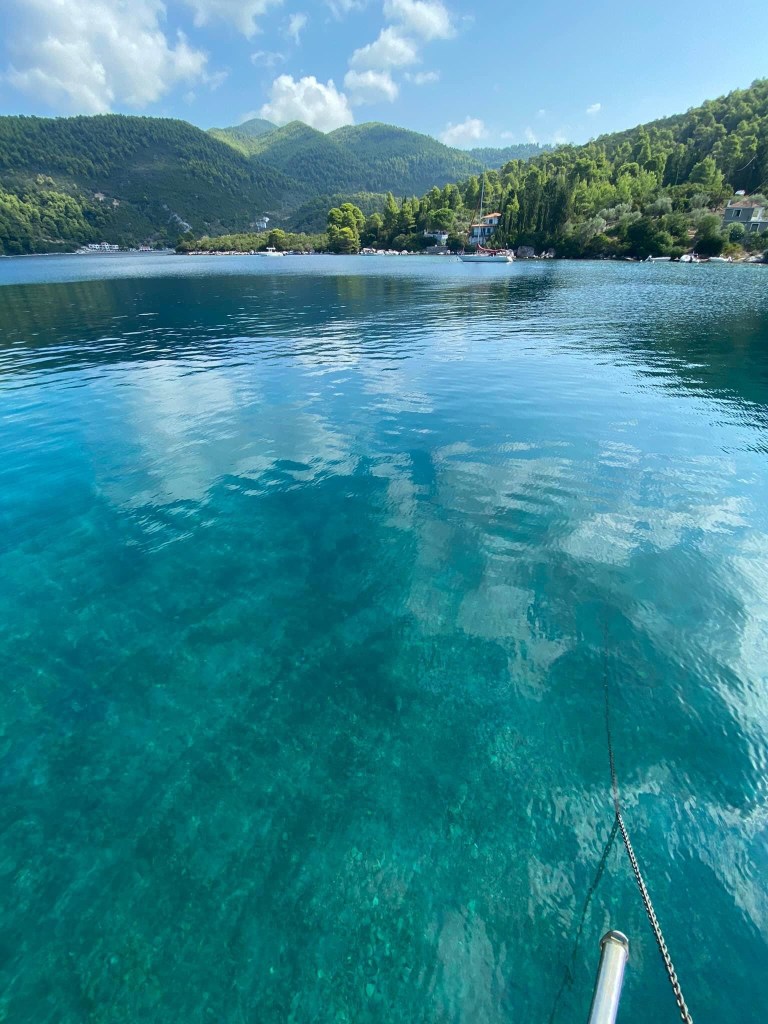
As we move into the twilight of our time in Greece, for now, it’s clear our little boat is in need of some repair work. Over the past few weeks we’ve both become intimately acquainted with a sponge and bucket that has been filled up daily after each trip from water leaking down below! I’m thinking of buying one as a reminder of the adventure.

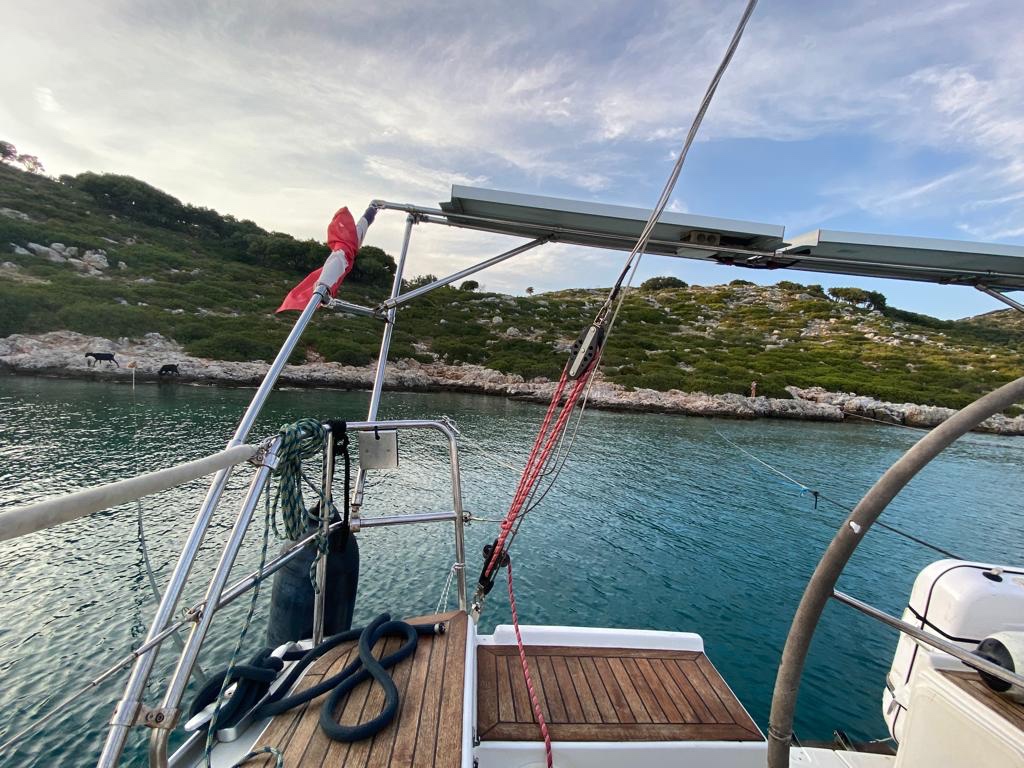
In the meantime, I’m gazing across at lush pine trees lining the shore above a bank of white rocks reflecting in the sparkling water. Apart from the heat and the temperature of the water, we could be anchored down the Fal in Cornwall! And I’m reminded that we have plenty of beautiful places to rediscover on our return home.
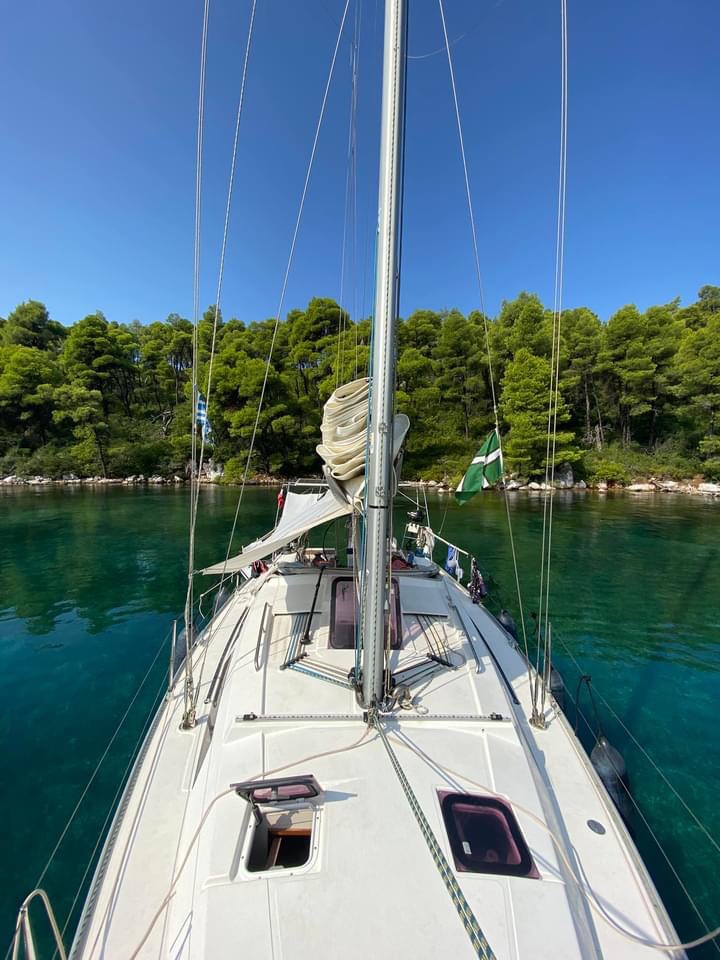
I’m also wondering how strange it will feel sleeping in a real bed that doesn’t rock and has space to move, or taking a long shower without being worried about using too much water.

But I may well wake up in a couple of weeks and wonder where on earth I am!
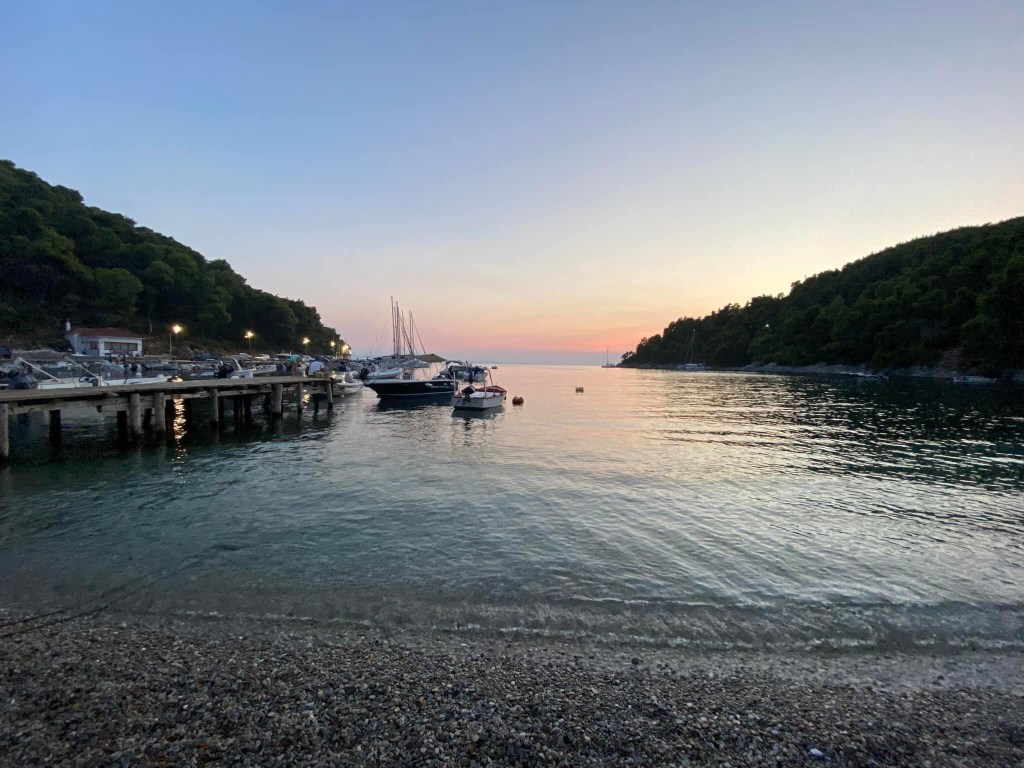
Incognito angel to the rescue

It was the kind of anchor drama I’d been dreading. The man in a snorkel mask treading water by our boat said the words neither of us wanted to hear, “It’s stuck hard, I can’t move it. You’ll need to get professional divers.” A neighbouring skipper had volunteered to dive down and see if he could free our anchor, now stuck six metres down wedged under, what looked like some kind of metal frame.

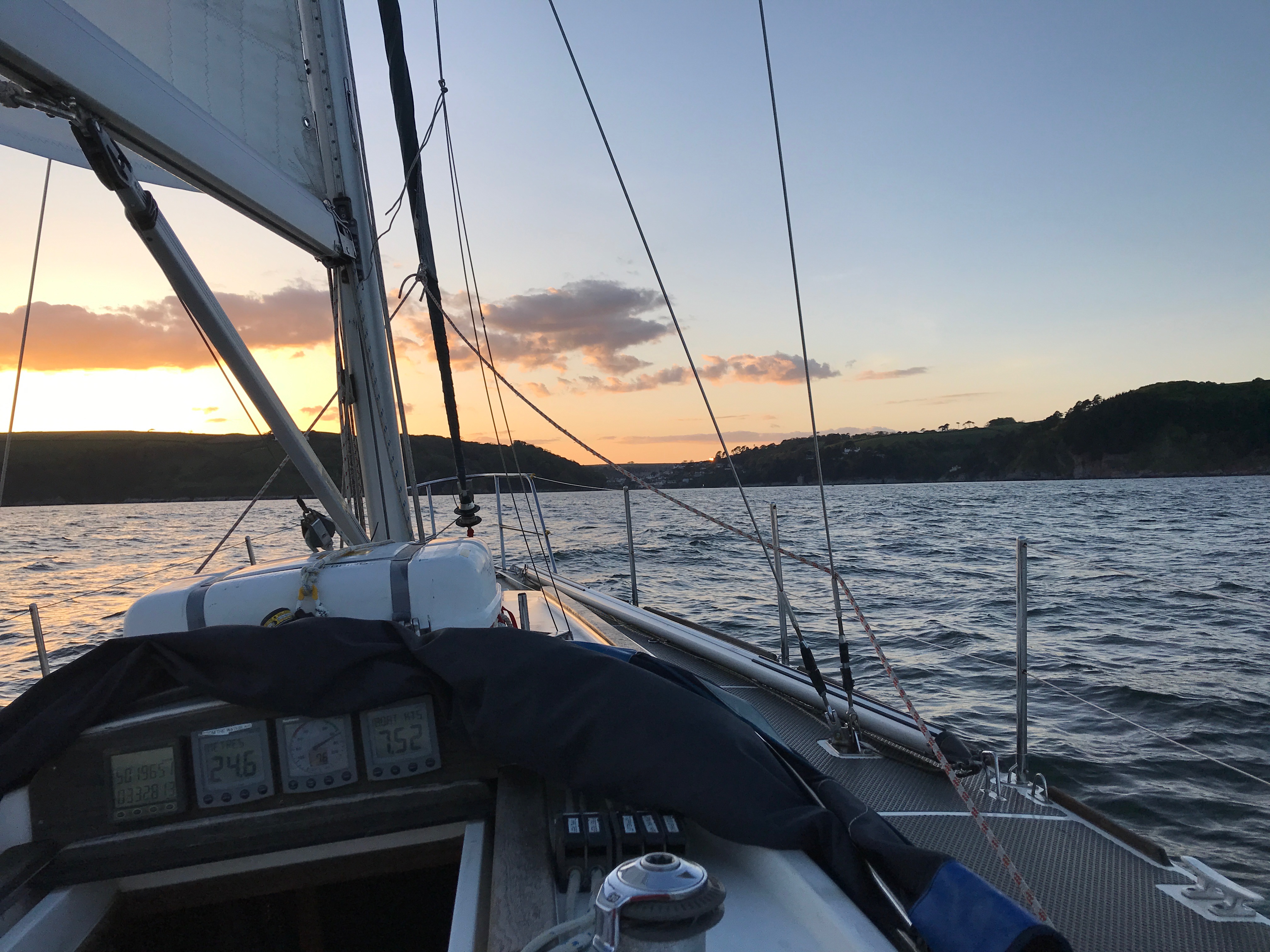
Less than an hour earlier we’d arrived at the distant marine reserve island after a six hour passage in pretty heavy seas and gusty winds. We were already tired. The waves had mounted steadily during the course of the passage. At their height we were being pushed, tipped and rolled around, with four metre waves breaking onto the boat. We were both completely soaked after an hour or so and I wished I hadn’t bothered with shorts and T-shirt and stayed in a bikini. After we’d put in another reef, we settled into the lurching and rolling motion. I was glad the trip across wasn’t any longer, because although we were making great progress at 7.5 knots, six hours in a rolling sea felt quite a while!

After we’d dropped anchor at the island in a quiet bay, there was yet another semi daunting task to be completed. Due to the location and wind direction we needed to take lines ashore to tie us to the rocks. I was dreading this, as on previous Mediterranean holidays it’s been a task for “the boys” – this time it was down to me to paddle board over with lots of rope, negotiate the spiky rocks and sea urchins, and worst of all tie bowlines to make everything secure. (I’m only good at these 70 per cent of the time!)

Sometime later, after swearing, “I’m never doing this again”, “I hate doing this” and “I can’t do this”, and then the inevitable sea urchin encounter on my left hand… I swam back to what I thought was a secure boat, at last. But a final check of the anchor had almost been the final straw, when we saw, instead of wedged in the sand, it was jammed under some iron debris on the seabed.

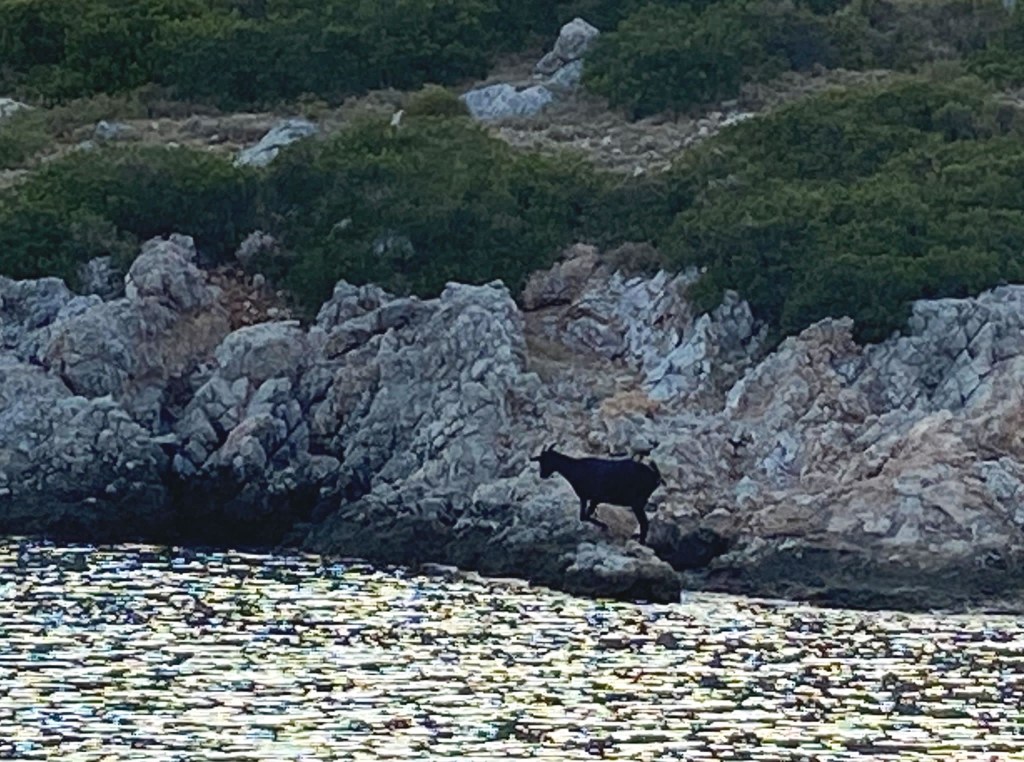
Tension was rising. We were in a nature reserve at the north end of the Sporades islands, it was beautifully quiet and remote with no phone signal whatsoever. So, how would we call for divers? And what would it cost to free our anchor? The skipper took the paddle board ashore and climbed a nearby hill in search of phone signal. There were plenty of bleating goats, but still no signal. His face was grim when he returned to the boat. There were various options to consider, none of which we wanted to do, involving leaving the anchor and returning with divers, deploying a kedge anchor and trying to free it ourselves somehow… a few prayers were said.

The answer came quite quickly in the end in the form of a “Greek angel” called Nasos.

Nasos, a skipper on another yacht in the bay, was woken up from an afternoon rest by his crew, who’d been alerted to our dilemma and plea for help. It wasn’t long before he was alongside in his dinghy, snorkel and flippers to the ready.

“Where have you come from?” He asked.

“England,” we said!

“No, today I mean!”

We explained we’d sailed from Halkidiki and he was surprised, as he’d also sailed across from the same port an hour earlier. He said we must be tired, as it has been quite a tiring crossing.

“I will try and help you,” he said. “ Are you with a flotilla?”

“No,” we answered. “We’re on our own, that’s the problem.”

“Don’t worry,” said Nasos.“ You are not alone anymore, Nasos is here. We will solve it together!”

What a lovely thing to hear!

A few minutes later after carefully examining the anchor position through his mask he dived down. Very soon after he reappeared and said the magic words, “It’s free!” He explained the anchor had dragged and been caught in what was actually an old bed frame on the seabed and he had been able to yank it free.

We were so relieved and grateful, but as we’d only just met him and we were all wearing very little, we couldn’t hug and kiss him, instead we gave him a bottle of gin! Nasos, the incognito angel, even helped us re-anchor and re do our lines without too much stress. What a difference it makes when you have a “friend” to tackle a problem together.

After a restful and peaceful night on anchor we went to thank Nasos again and enjoyed real Greek coffee and sweet treats on his boat with his crew. We laughed about being caught by a bed and wondered how it had ever come to be on the bottom of the sea in such a remote place.

I’m not sure what to rename this little bay. It could be ‘Bedframe Bay’ but perhaps ‘Angel Bay’ would be more appropriate? We hope to catch up with Nasos again before he heads back north, if only to find out what other “angel missions” he’s been called to 😉.

All at sea

Have you ever been in one of those crisis moments when you say to yourself, we’ll look back on this tomorrow and think, ‘what a great adventure that was…’?

That was 24 hours ago…*

“I’ll just do it then, shall I?” It was one of those questions I didn’t need to ask, because there weren’t any other options left.
“Boom!”
Another huge waved crashed across the bows of the boat which were immediately rising to the crest of a second wave. I had butterflies in my stomach as I turned to inch my way along the deck, the lines of my safety harness scraping along the tape secured to the boat.
‘Be brave’ was the only thing I could think.
Half way along the deck I sat down gripping the metal stays with one hand as I unfastened and refastened the clip to the next set of tapes. My body was tense and my fingers trembled, mainly with cold. Up ahead at the bows the next wave was pounding down showering me with spray and I kept low edging my way towards the ‘pointy end’…

It had already been quite a day at sea. We’d set off, just the two of us, at 6am to catch the tidal stream. Daybreak sails are some of my favourite. As the sky begins to lighten and sun’s rays are soft and golden, full of unspoken promises of what lies ahead. The wind had been a bit stronger than forecast and we’d made good progress hoping to push through to Dartmouth – our final destination. But after a change in wind direction and with the tide turned against us, we decided to divert to Salcombe till later in the afternoon when the tides would be in our favour.

Always expect the unexpected in sailing. As we attempted to furl the genoa (pull in the sail at the front which wraps around a wire) the rope snapped. It wasn’t an easy fix, so sadly, we found ourselves returning to where we’d come from – more than three hours sail west. Four hours later, furling line temporarily fixed with a bit of help, we headed back to sea. We’d made reasonable time and decided to try and make Dartmouth that evening. The voyage took us through the notorious Start Point where the sea can be quite rough. Neither of us had sailed there before. We’d got into big waves about an hour earlier, but now they were getting higher and there were white horse breaking all around us.

We were more than two or three miles off shore, as we began to round the light house, and watched the blue curve of Start Bay emerge in the distance. 

“I don’t think we can make it…we’re going to have to turn back.”
It was one of those moments. You could call it mutiny.
Waves were breaking across the front of the boat. The sun would be setting in an hour. The wind was coming from where we needed to go. We’d been sailing pretty much non stop for more than 12 hours. But there was one other option… to me this was better than going back again.

This involved one of us going to the front of the pitching boat to fix the tangled line and help wind in the sail by hand. Meanwhile, the other steered the boat through the waves while juggling two other ropes to enable the awkward sail to be safely pulled in. We’d planned to be in calmer waters for this procedure, but we couldn’t risk the furling line breaking again.

So, there I was, kneeling at the front of the boat on the biggest and scariest white water roller coaster ride ever. In between each fresh wave, which broke across me, I attempted to untangle the rope, while the stressed skipper shouted instructions above the waves. Apart from being scared of slipping in, the biggest problem was my bobble hat which insisted on sliding down over my eyes. I thought the rope was untangled and then saw it wasn’t. As I gripped the metal stanchion to steady myself while the boat slammed down onto yet another wave, I did think, ‘Hopefully, we’ll be laughing about all this tomorrow.’

The best thing about moments like that may not be the moments themselves, but it’s the contrast of looking back and being glad you got through it.

An hour or so later as our little boat nudged its way between the rocks and the castle guarding the entrance to Dartmouth, the sun was beginning to sink behind the hills. A mooring buoy was beckoning and the boom of a canon up above at the Naval College signalled that the day was over. 

We both sighed and smiled. What a day it had been! Some 88 nautical miles travelled since first light. Now the dangers were past, we were in calm waters and a safe harbour for the night. There is no better feeling. And it’s one of the many reasons why I love sailing.

*at the time of writing

Holy rock

Have you ever touched a holy rock, stroked a sacred stone or perhaps picked up a precious pebble? If not, definitely put Israel on your bucket list – I wish I hadn’t left it so long.

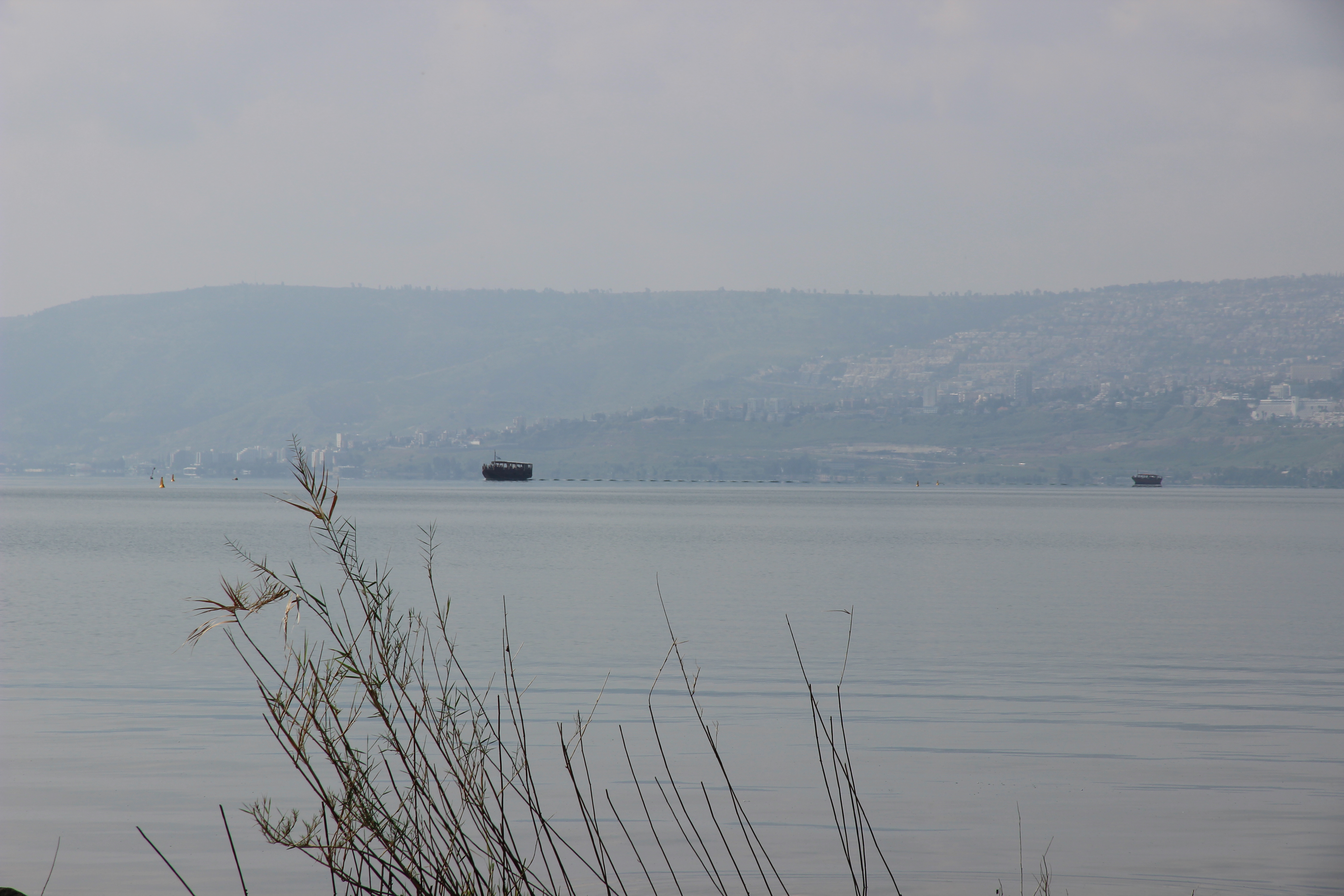
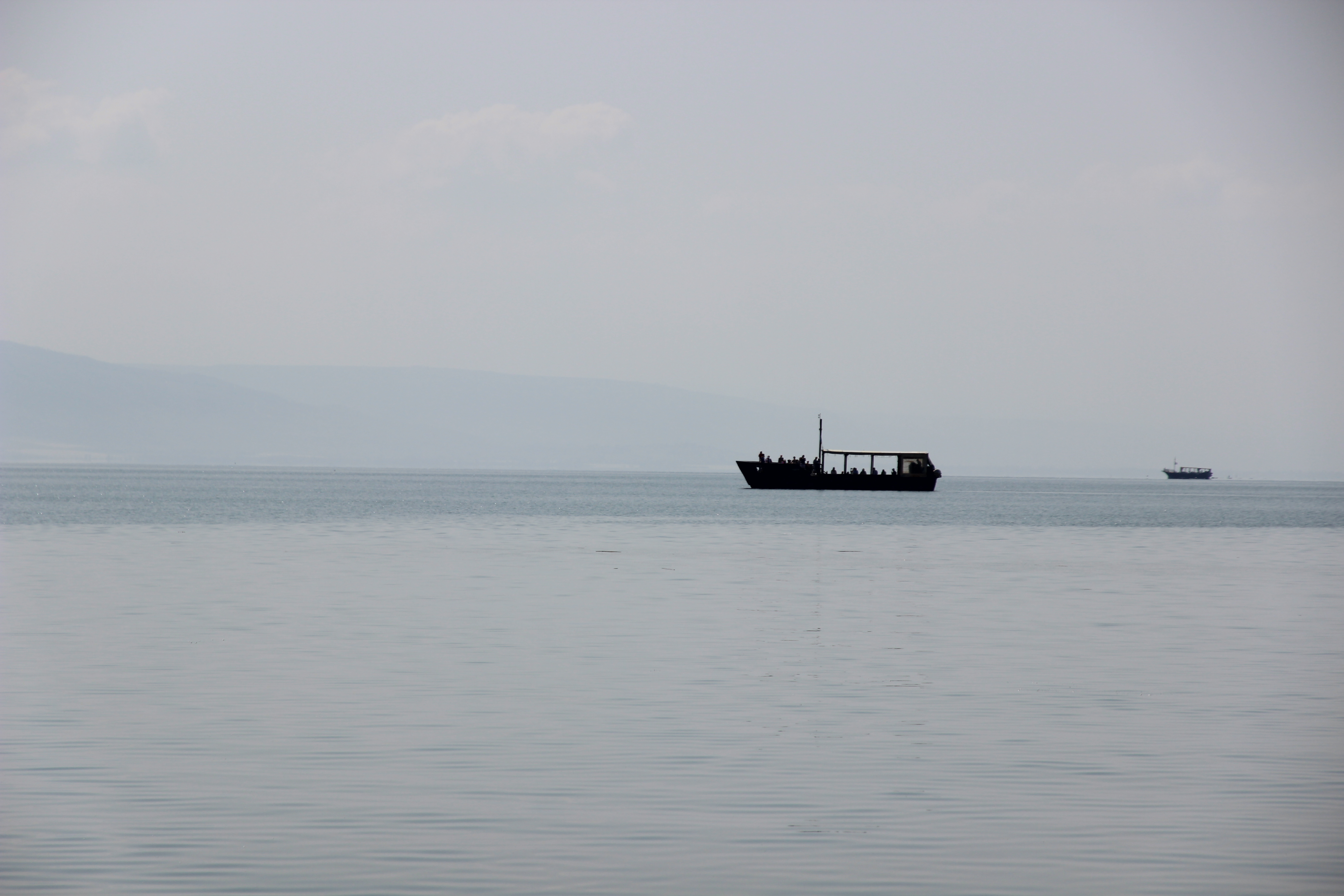
I am not especially geologically minded, but I have to confess to picking up an awful lot of stones from beaches over the years. They inevitably end up on window sills, mantelpieces or the bathroom shelf. Down on the shore of Galilee last week, I watched a lady bending down to pick up very small pieces of what looked like black and white gravel and carefully stowing them in a plastic bag, which she stuffed into her rucksack. Hum…I pondered to myself. Could these be the very stones Jesus had walked on when he wandered down to the lake and called across to some chaps busy cleaning their fishing nets? It was sort of possible…but there were so many possibles all around us. IMG_0655

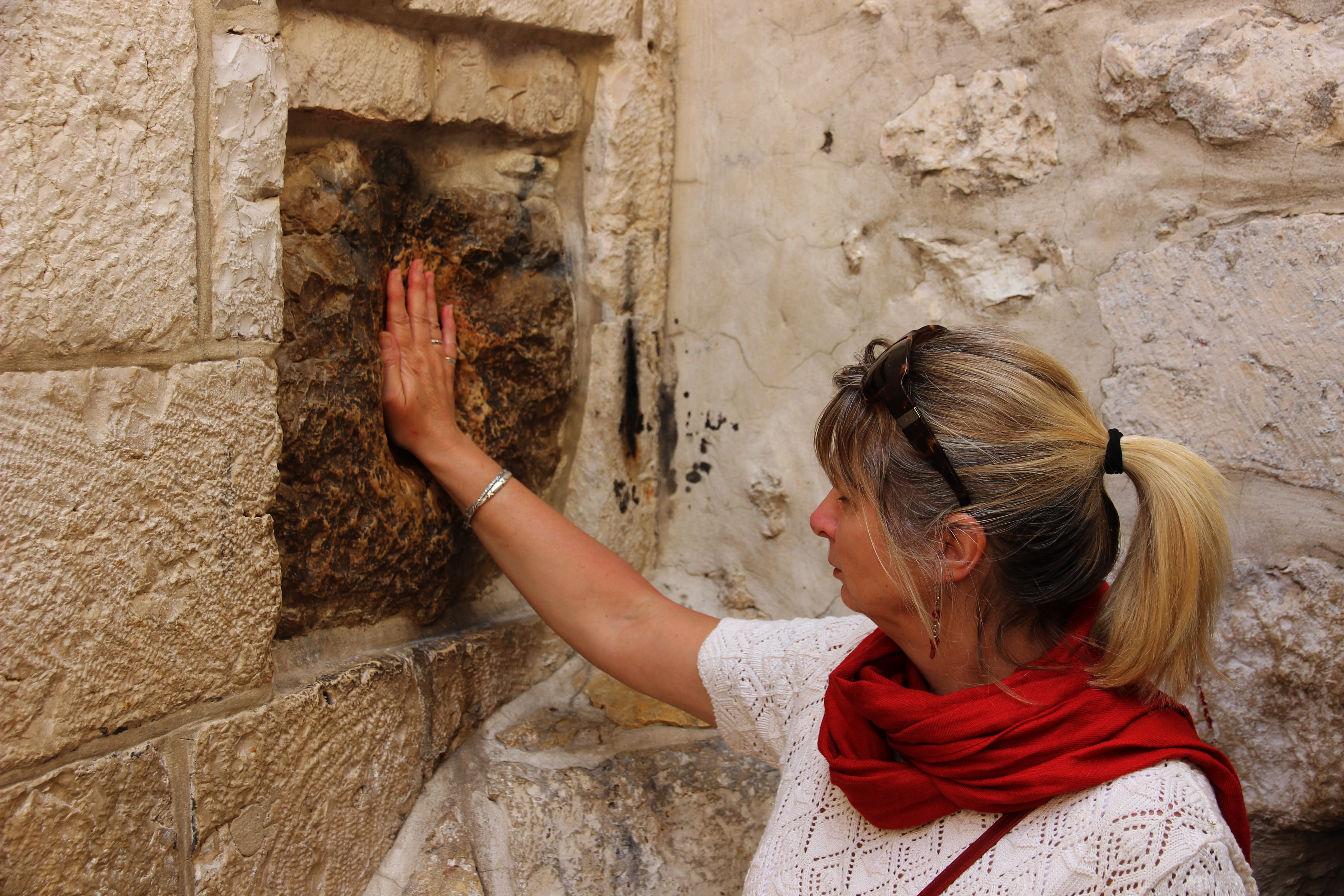
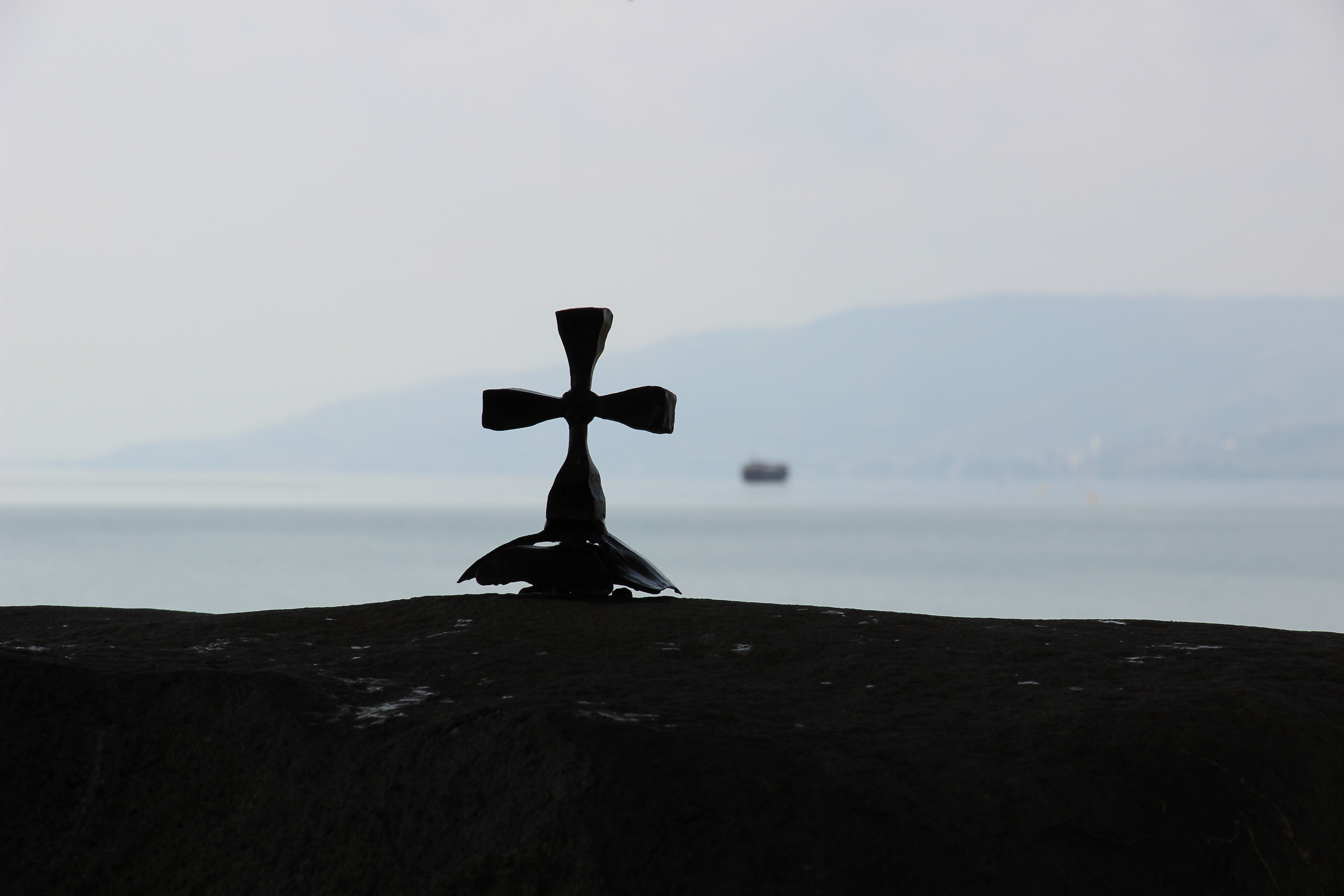
The church behind us that morning had a very large odd shaped rock which formed a centre piece for the altar. We had watched as people laid clothes on it and stroked the rock and kissed it. It is possible this was the rock Jesus had used as a BBQ base for his hungry disciples and is also rumoured to be where Jesus told Saint Peter, he was the rock on which he’d build his church. There seemed to be a blackened area on it. I touched it too. But what if it was the rock? What would that mean for me?

Back in Jerusalem and Bethlehem there were more significant rocks…Rocks that marked the place where he was born, where he died and was crucified, even the place where his body was laid before he rose from the dead. So many actual physical links to an unseen God. Then there were also the caves, some marked with carvings, where he may have been held prisoner and another where he was most likely to have been born. When we walked the streets of Jerusalem we knew these weren’t the actual streets and cobble stones Jesus had walked, as the city is a few metres higher than it was 2000 years ago. But in one narrow street we wandered into a deep basement of a convent where it looks like there is part of the actual Roman road, with its chariot lines still visible. I ran my sandals along the grooves and imagined a man stumbling under the weight of a wooden cross. Was this one of the streets which Jesus walked on? Shouldn’t I take off my shoes now and feel the same smooth stone on the soles of my feet? The thought sent a shiver down my spine.

IMG_0813

IMG_0853

Despite all these stones and rocks and possibilities, it was by the lake and on a hillside where I actually felt God. He wasn’t in the two carefully selected stones I bought back from the lake shore. I wasn’t really aware of Him in some of the most sacred sites and churches. For me the Jesus I have got to know, who I hope to meet one day, was somehow very present beside me, on a balcony as I looked across the Sea of Galilee, where lights flickered along the shoreline and pinpricks of stars were speckled across the black sky above. It was there I heard His voice. He was also with us in a field on a hillside, where there was a cup and a chunk of bread on a rock. But most importantly, He is here now beside me as I write on the tiled steps by the front door in the afternoon sunshine in Cyprus.

The Holy Land was a special experience. I have seen some places where Jesus was, where he ate, walked, talked, slept and died. Most importantly though He didn’t stay there and I’m so happy He isn’t just in the rocks and stones. He is here, ever present and the whole world is a ‘Holy Land’ because He is risen and He is here.

IMG_0820