The final march out

Here I am back in the same situation as I was when I first started this blog nine years ago – on the move again and surrounded by boxes! But this time we are heading to our new home, instead of another army posting.

I haven’t done my farewells to our last army quarter just yet, that will happen this weekend when we get it ready for our final “march out”. For non-military readers, this is a kind of inspection of the house to make sure you have cleaned it properly and there is no dust in the plug sockets, mould inside the window frames or even a whisper of grease in the oven.

As I discovered nine years ago, cleaning can be a kind of therapy that helps with the emotions of leaving somewhere treasured and familiar before heading into the unknown.

So, while I’m down on my knees cleaning the toilet, I will also be remembering some of the good times, while looking forward to what lies ahead.

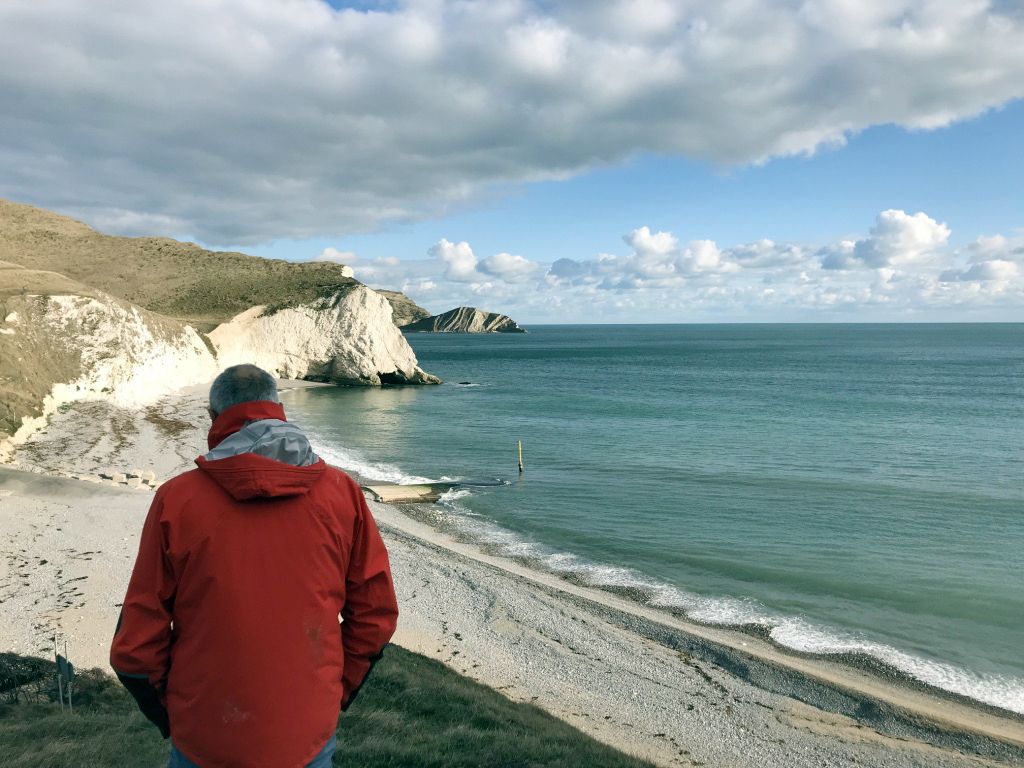
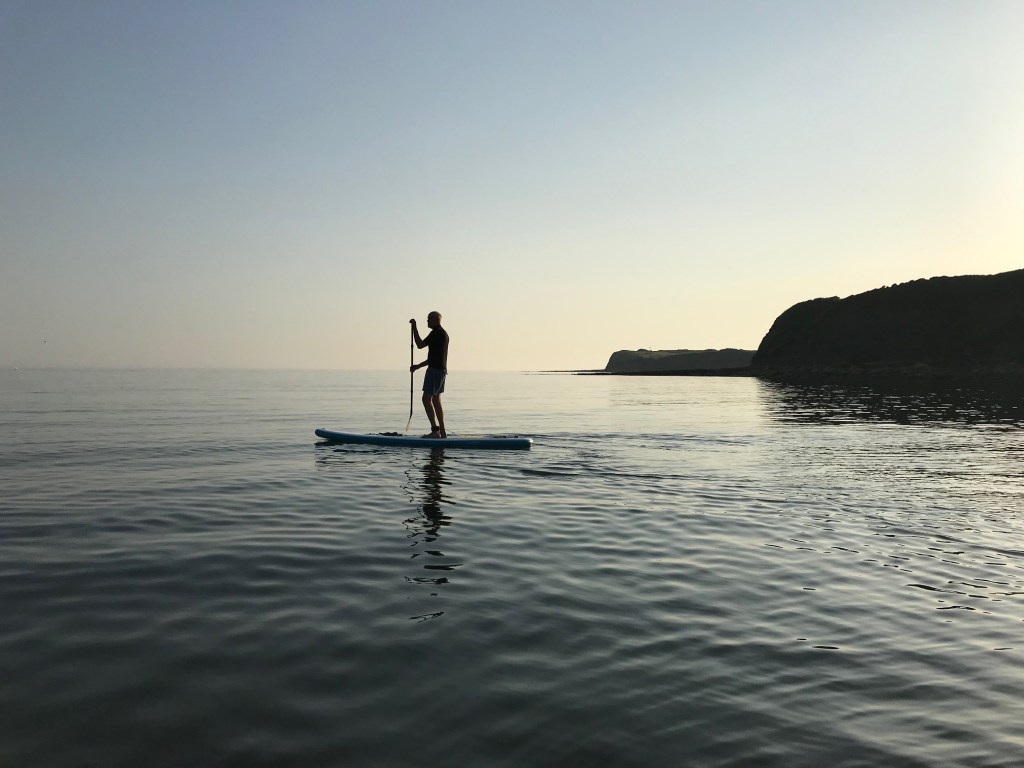
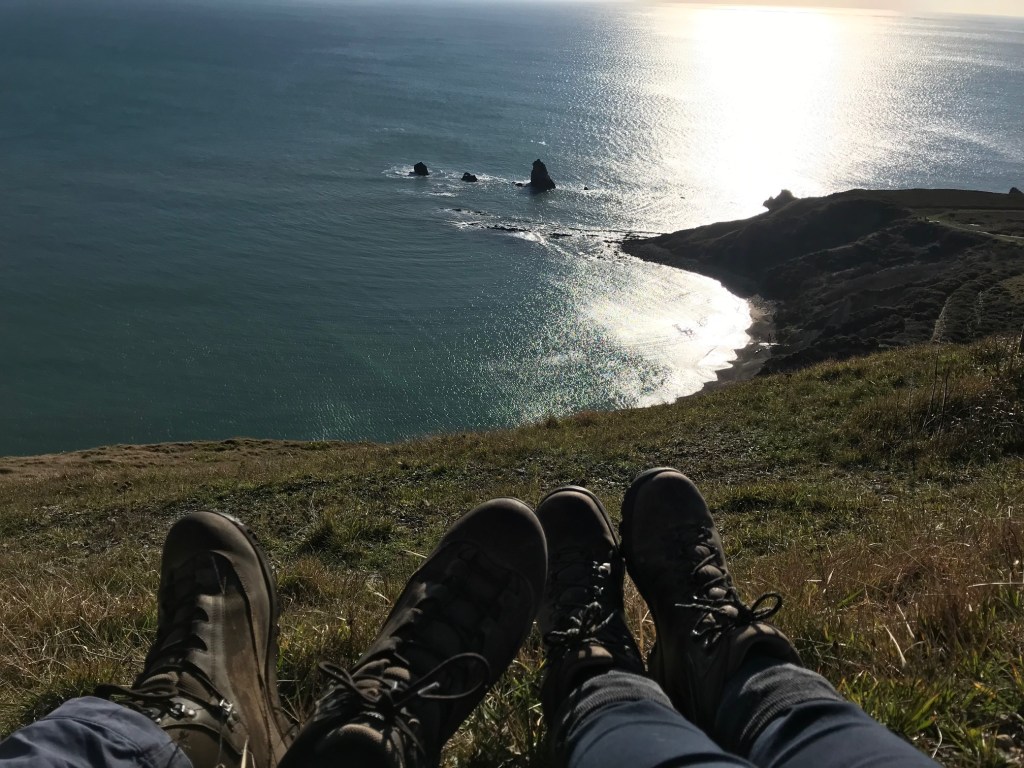
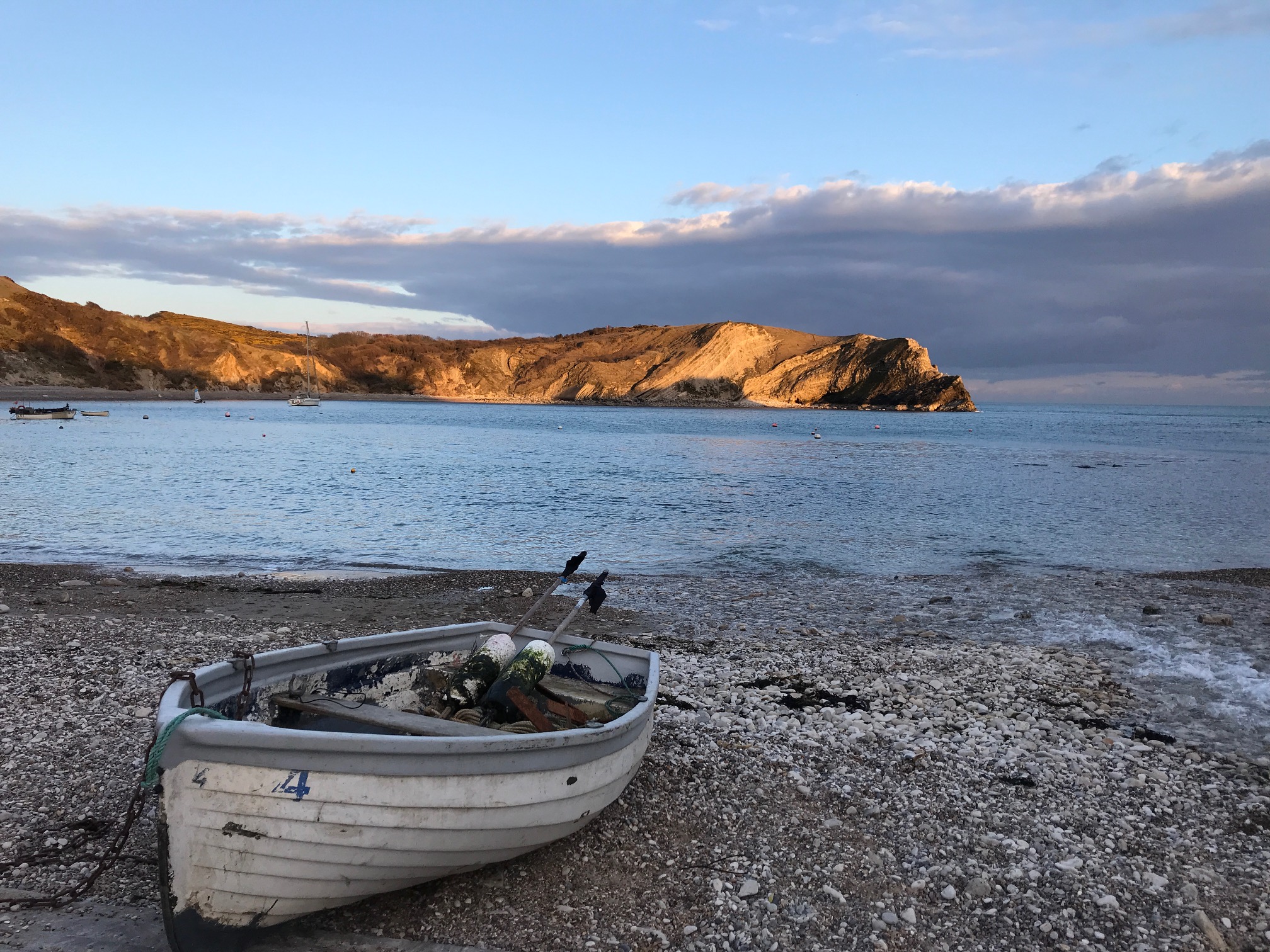
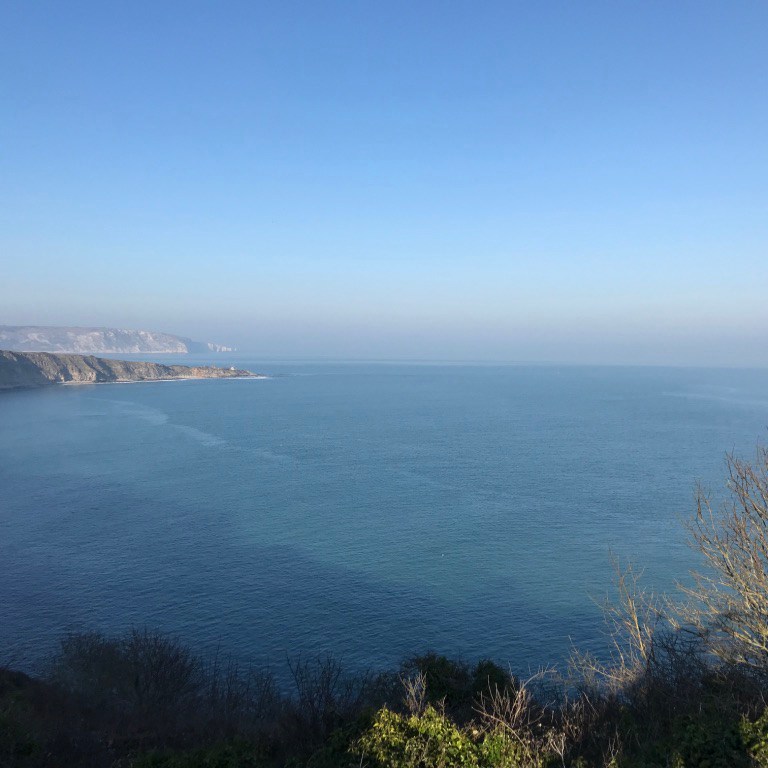
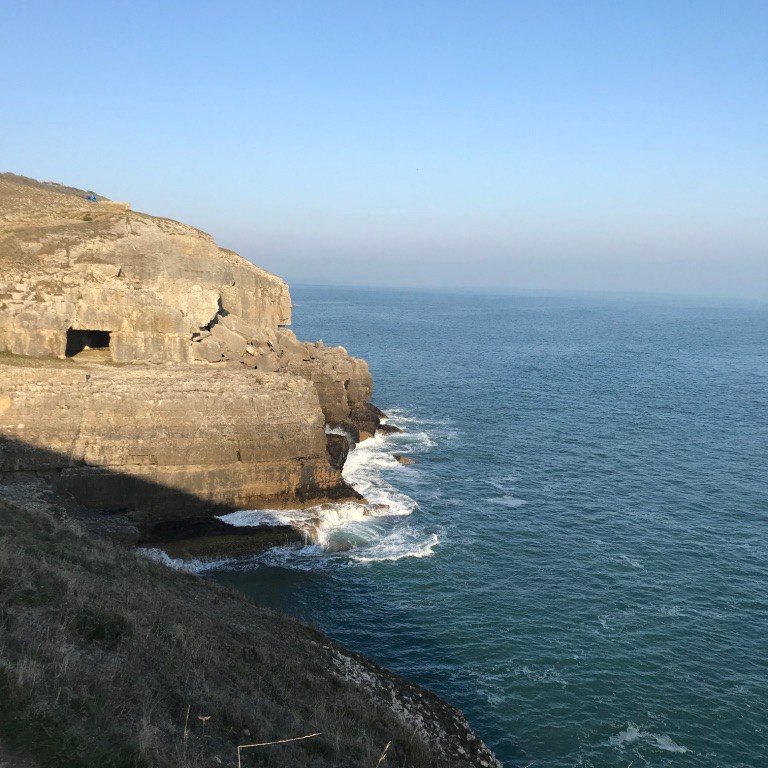
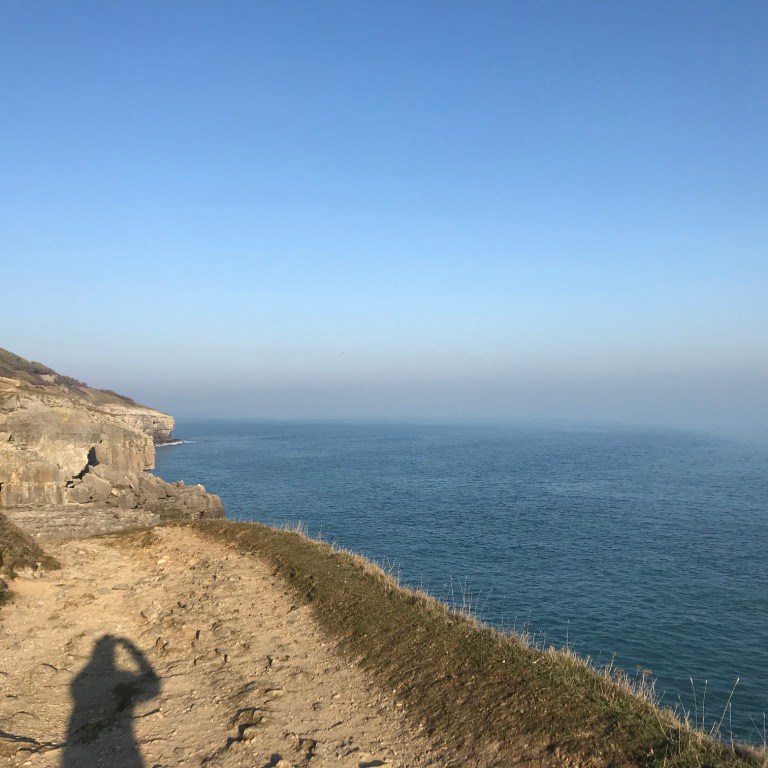
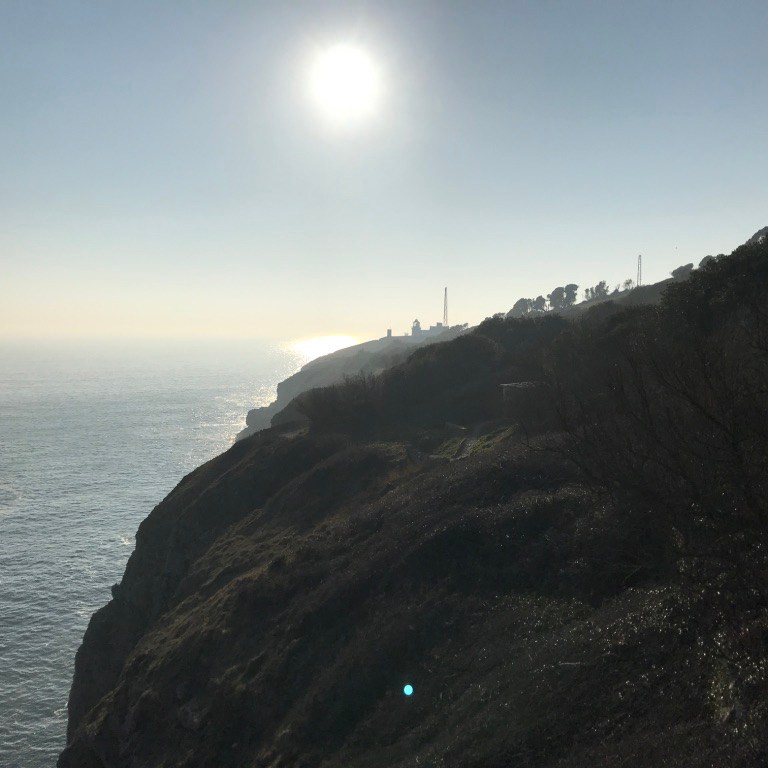
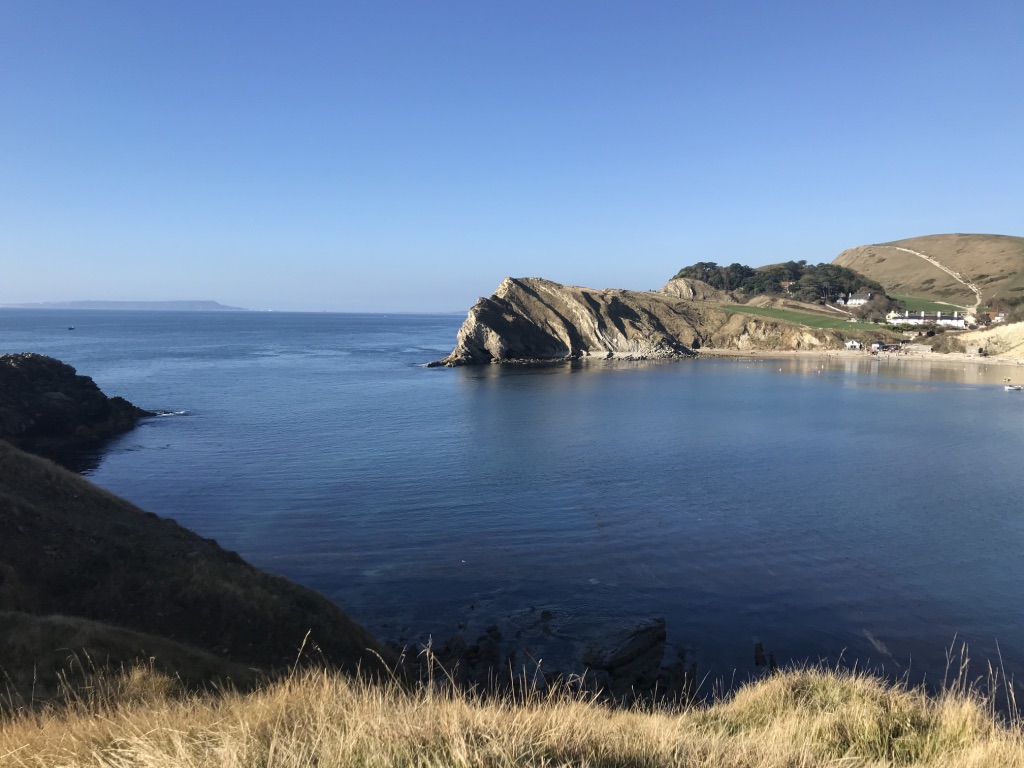
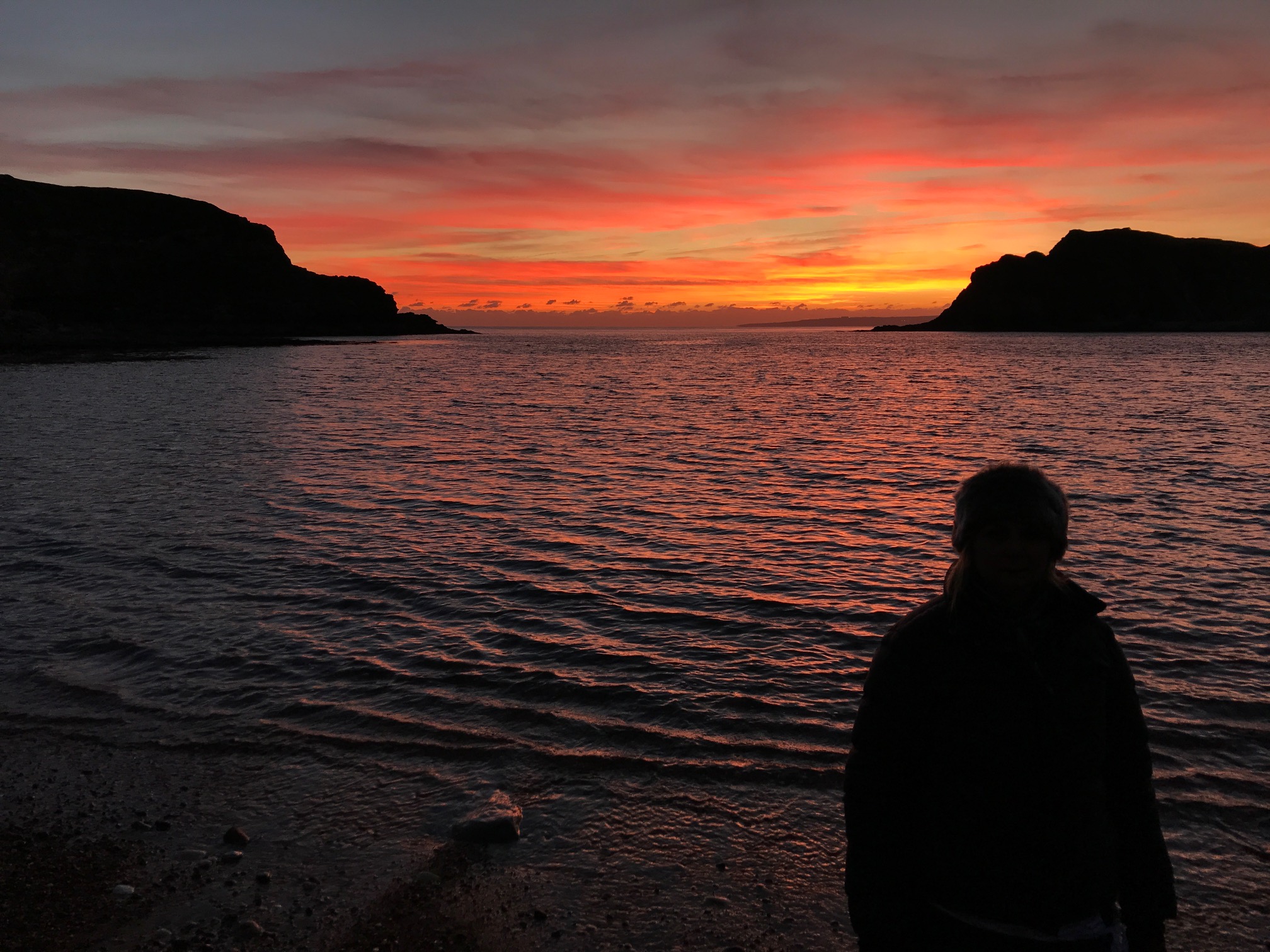
Living on the Jurassic coast has been a privilege and a joy. We’ve managed to walk a whole section of the south coast path from Poole Harbour entrance to Burton Bradstock, with most legs completed there and back. We’ve enjoyed kayaking through caves and paddleboarding as the sunset across Lulworth Cove. We’ve fought off the seagulls, while eating fish and chips from Bennetts in Weymouth, and dreamed of owning a yacht, while watching boats moor up along the quay. 
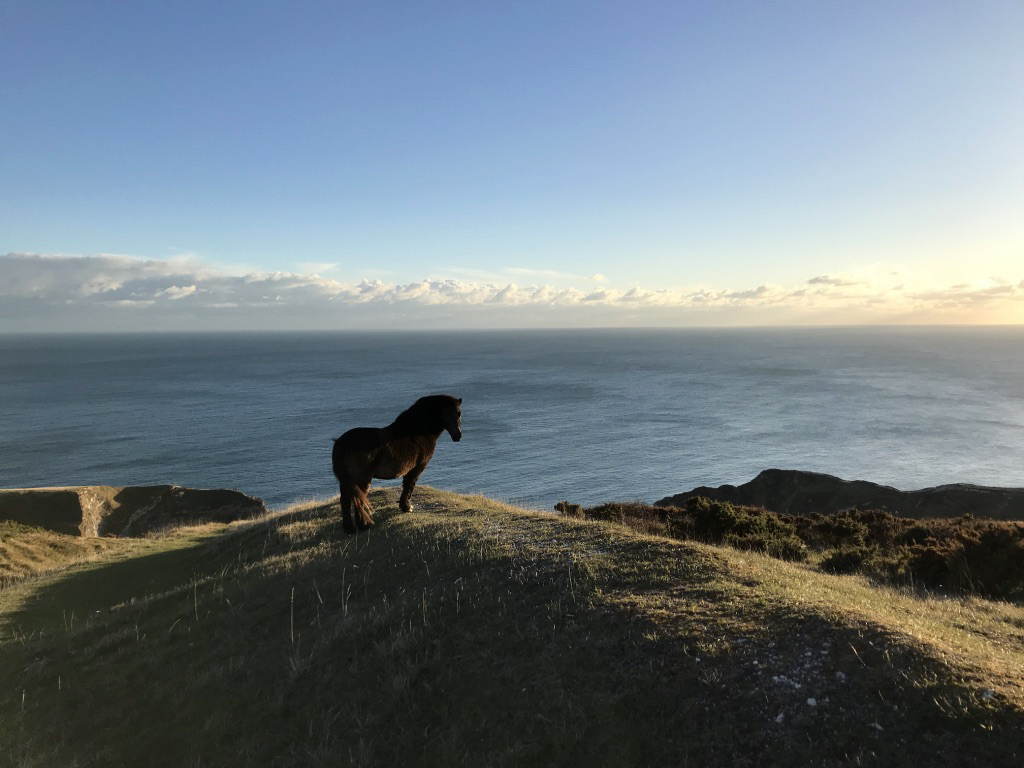
The amazing stars overhead in the dark Dorset sky have made up for the booming sound of tanks firing day and night on the ranges we live beside. We’ve watched tracers lighting up the night sky on summer nights, and during the day I’ve looked up from my desk and spotted the splash from shells landing in the sea beyond. On the quieter days, without firing, we’ve enjoyed hosting family and friends and taking them to the hidden coves and beauty spots on our doorstep.

This is also the house where we lived through lockdown, which involved walks to the sea almost every day, listening to birdsong on the normally busy road at the back of our garden and a marathon bike ride to Poole Harbour and back again. “Never again!” we said.
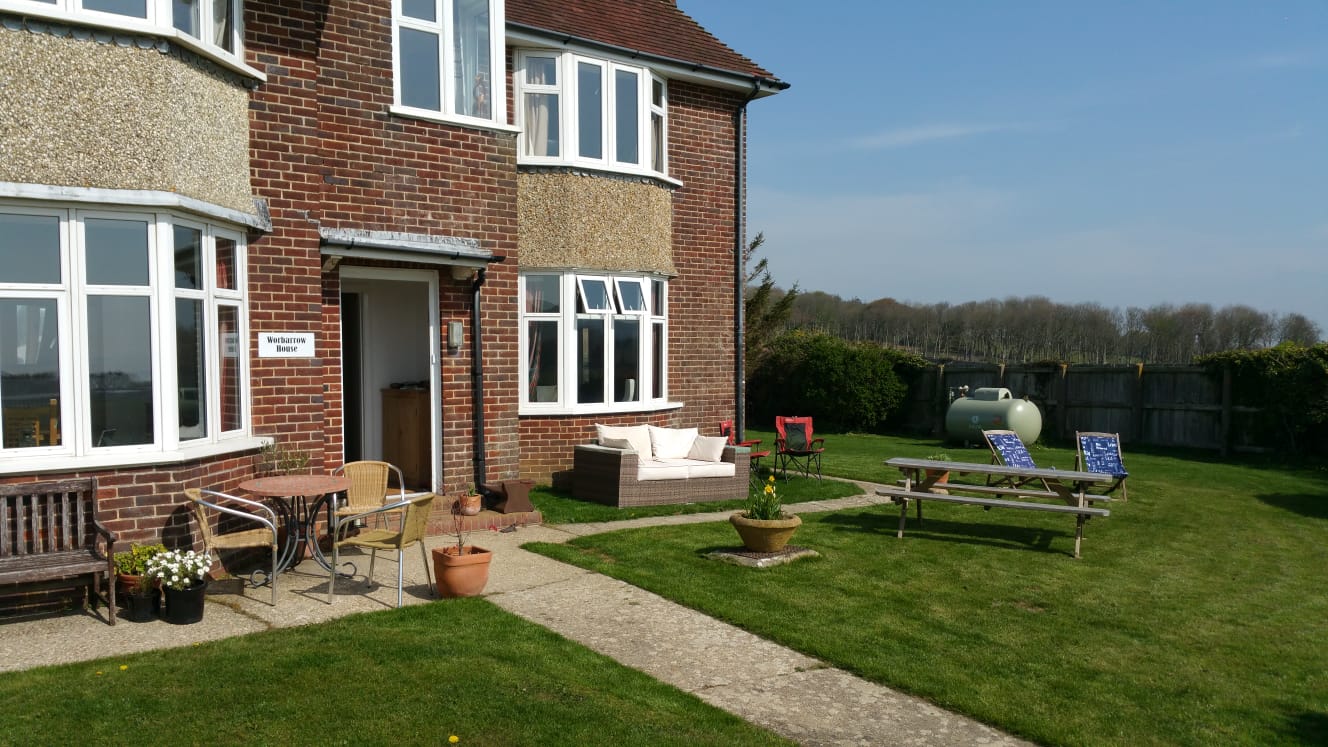
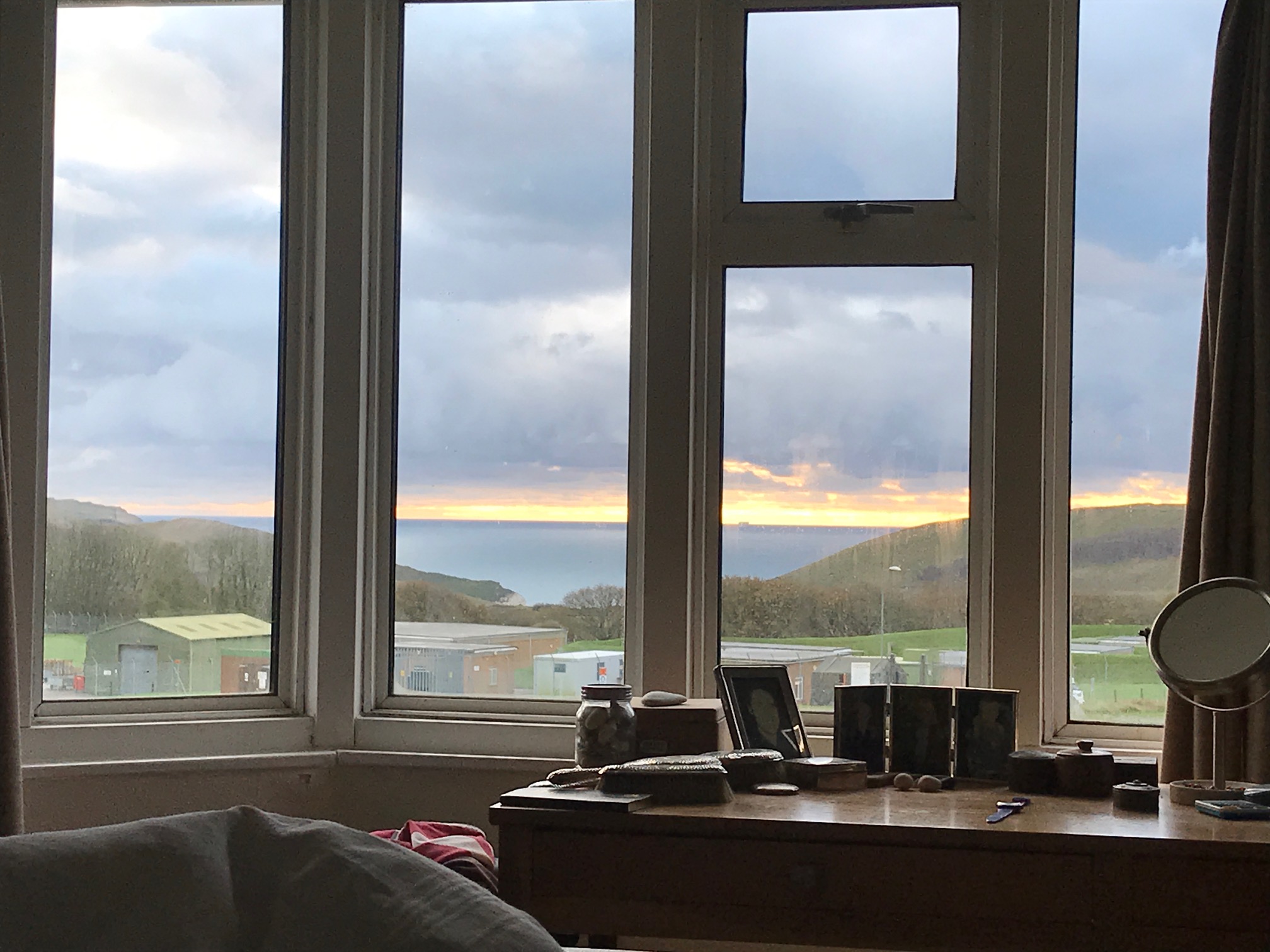
I’ll miss all that, but I won’t miss the barb wire lining our fence or the taps that don’t match and the threadbare carpets or magnolia chip papered walls. Or the moles who continue to wreak havoc across our lawns!

Army life has been fun. We’ve forged new friendships and had to say goodbye countless times. We’ve had a run of amazing postings these past nine years, from sunny Cyprus to living on the magical Thorney Island. I’ve also loved my time with the Military Wives Choir, both in Cyprus and in Bovington. Singing with them has lifted my spirits time and again and I’ve met some of the most caring, encouraging and zany women, who’ve also made me laugh. Despite all this, for me it’s time to move.

Change is exciting, but not always easy. After spending a large proportion of my life as an army wife, I’m looking forward to putting down roots, sorting out my garden and having all my stuff in one place at last. But my soon-to-be ex-army man is not so sure. He’s wondering about what’s next, what will life be like beyond the military and where his next adventure will take him.

Although we’re leaving Dorset, we’re not heading so far, just next door to Devon. Our new home, which we already love, will be ready for us to move into in the autumn. In between then and now, it seems we have time for a little sailing adventure in Greece! As long as we pass that final “march out”…
Who is writing your story?

Do you believe in fate? Or maybe you prefer to look for ‘Godincidences’?

Last weekend we visited two homes where a certain Victorian architect once lived and whose novels are enough to make anyone wonder if there really is such a thing as bad luck.

As I wandered round the comfortably furnished rooms and gazed through windows onto lush lawns and dappled autumn trees, I tried to imagine why this talented and wealthy writer believed we all led such fateful lives.

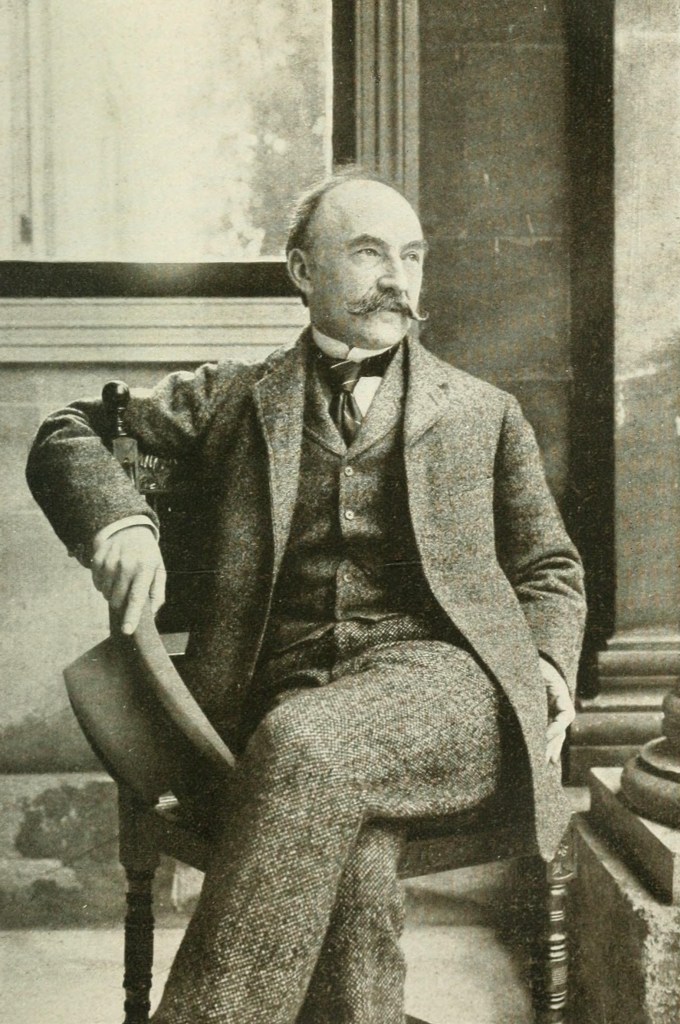
Thomas Hardy was a Dorset lad and he was also an author I can’t help but admire.

‘Tess of the D’Urbervilles’ was one of the set books for my English A level and was the first in a long list of novels which I read one summer. I will never forget sobbing quietly in bed as the unfortunate heroine Tess, received yet another awful trick from the hand of fate for the umpteenth time. In my mind she was a victim, her tragic life steered down a road to destruction by a hidden force. But it wasn’t Tess who annoyed me, it was Hardy.

Some of the twists and turns of the plot left me shouting at him. As the letter slid under the mat at a crucial moment, or characters missed each other by a few hours, changing the whole course of their lives, it was hard not to feel frustration. How much bad luck can a girl have?

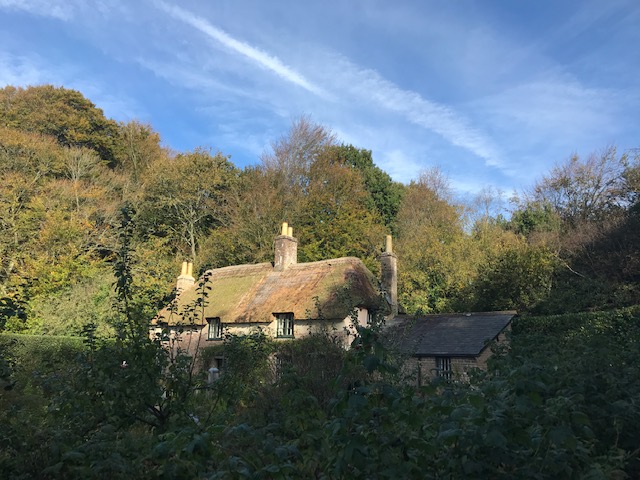
Last Sunday, stepping inside the little cottage where Hardy grew up, I took a step nearer to gaining an insight into what drove him to write brilliant, but largely unhappy novels. Apparently, it had a lot to do with his mother.

National Trust guide inside the low beamed sitting room welcomed us in and offered to give us some background on the house and Thomas Hardy, if we were interested. “Yes please,” we said. There was no rush and so we settled down for what felt just like a ‘Jackanory’ session on chairs and stools around a roaring fire. What a great idea for a chilly autumn day.

The knowledgeable guide soon had us gripped. Pointing out photos of the whole family, including Hardy’s mother and father, sisters and brother, who had all lived at some points in the tiny three-bedroom thatched cottage. We found ourselves spellbound as the story of his life was unfolded, from childhood illness to moving to London and falling in love with a vicar’s daughter in Cornwall.

And here we go again – a chance meeting in a church where he was doing some work was how it all began. Sadly, this marriage didn’t fair well and his first wife turned very religious and let her cats eat off the dining table, finally becoming a recluse in the antic rooms at the end of her sad life. Hardy seems to have had a rough time with the women in his life. His mother, who from the photographs in the cottage looked positively frightening, forbid all her children to marry. Hardy was the only one brave enough to disobey her.

His second wife, Florence, who was a writer and also his secretary, might have brought more happiness into his life with her wide eyes and deep admiration for this famous author who was 40 years older. What promised to be a happier situation didn’t turn out so well, in the end. The separate bedrooms said it all – unless that was a Victorian thing. Hardy spent his last years writing streams of poetry, often looking back wistfully on his first marriage.

Wandering round Max Gate, the large home he designed and which his father and brother built on the edge of Dorchester, there was evidence of his friendships with other authors and academics and even a letter from Lawrence of Arabia lying on a dressing table. 

The guide in Hardy’s childhood cottage described him as a bit of a misfit – he didn’t quite fit in. Although he had settled in Dorset, he highly valued all his influential London friends including politicians and aristocrats, but his health had prevented him from living in London. 

Perhaps this was part of the reason why he wrote such a lot of sad stories? Or was it just that he observed that real life was tragic for many ordinary rural people at that time? 

He was wealthy, with many resources at his disposal, as well as having the admiration of the public for his top selling books. When he died his estate was valued at around £100,000 the equivalent of £7million today. Even in death there was something not quite right as his ashes were interred in Poet’s Corner at Westminster Abbey, but his heart was buried, where he had requested to be laid, with his family in Dorset.

Apparently, Hardy was very uncomfortable with his first wife’s religious fanaticism. And yet he did like churches and went along to services at his local church. Before architecture he had even been thinking of a ‘career’ in the church. If he did believe in a supernatural power, it certainly wouldn’t have been a benevolent one. 

I do believe in God and I suppose that’s the reason I don’t have much time for fate. In Hardy’s novels the characters never seem to have a choice – bad stuff just keeps happening and there’s nothing they can do. He writes as if we are all pawns in some Almighty game of chess. Perhaps that’s how he felt.

Is real life like that? And we will never know what might have been!

I don’t think so. We all have choices – sometimes we make good ones and other times they might not be so good. But we aren’t puppets dancing to a story that has already been written. We are our own authors and the next chapter is up to us.

the truth about cows

Question: When is a cow not a cow?

Answer: When it thinks it’s a racehorse

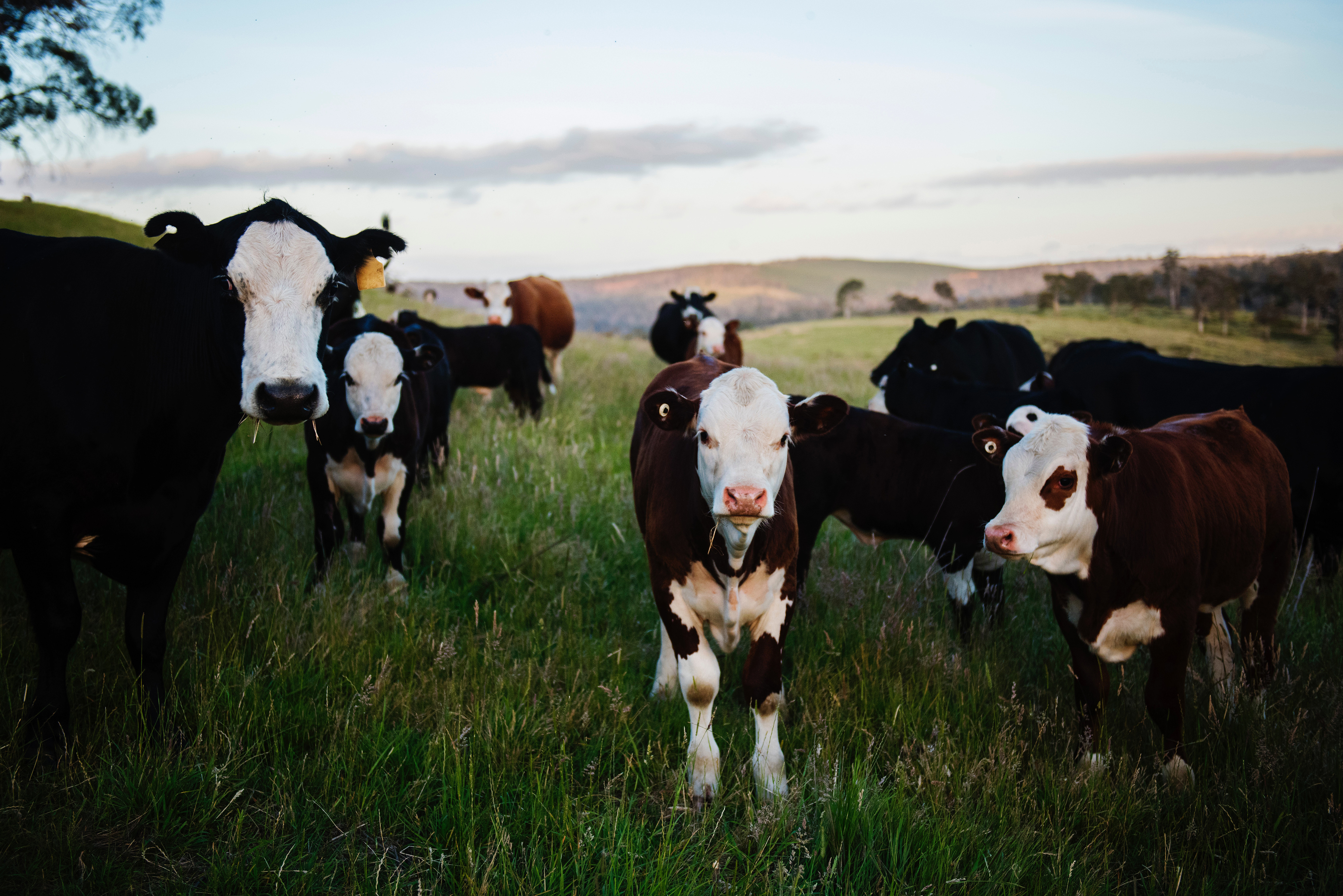
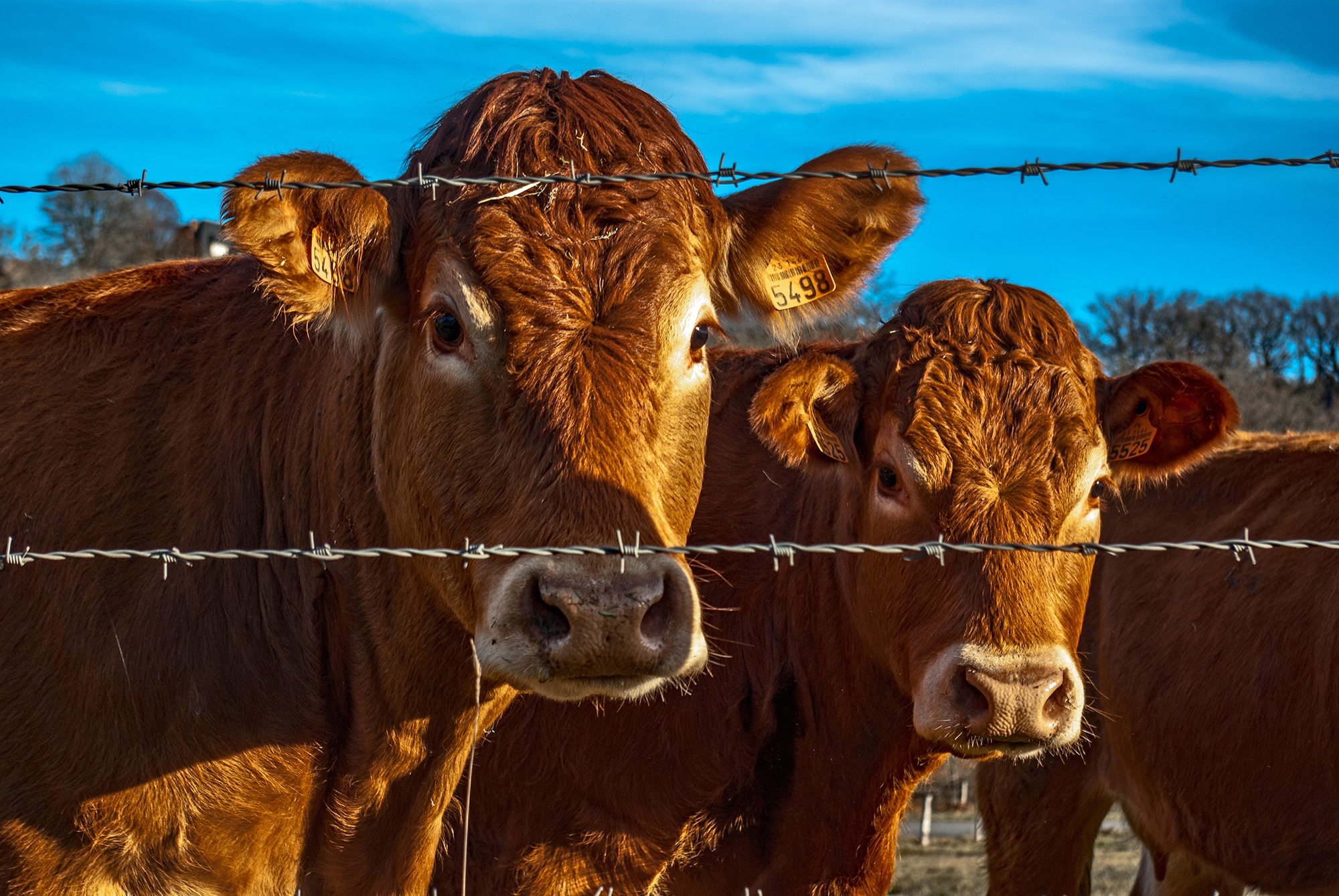
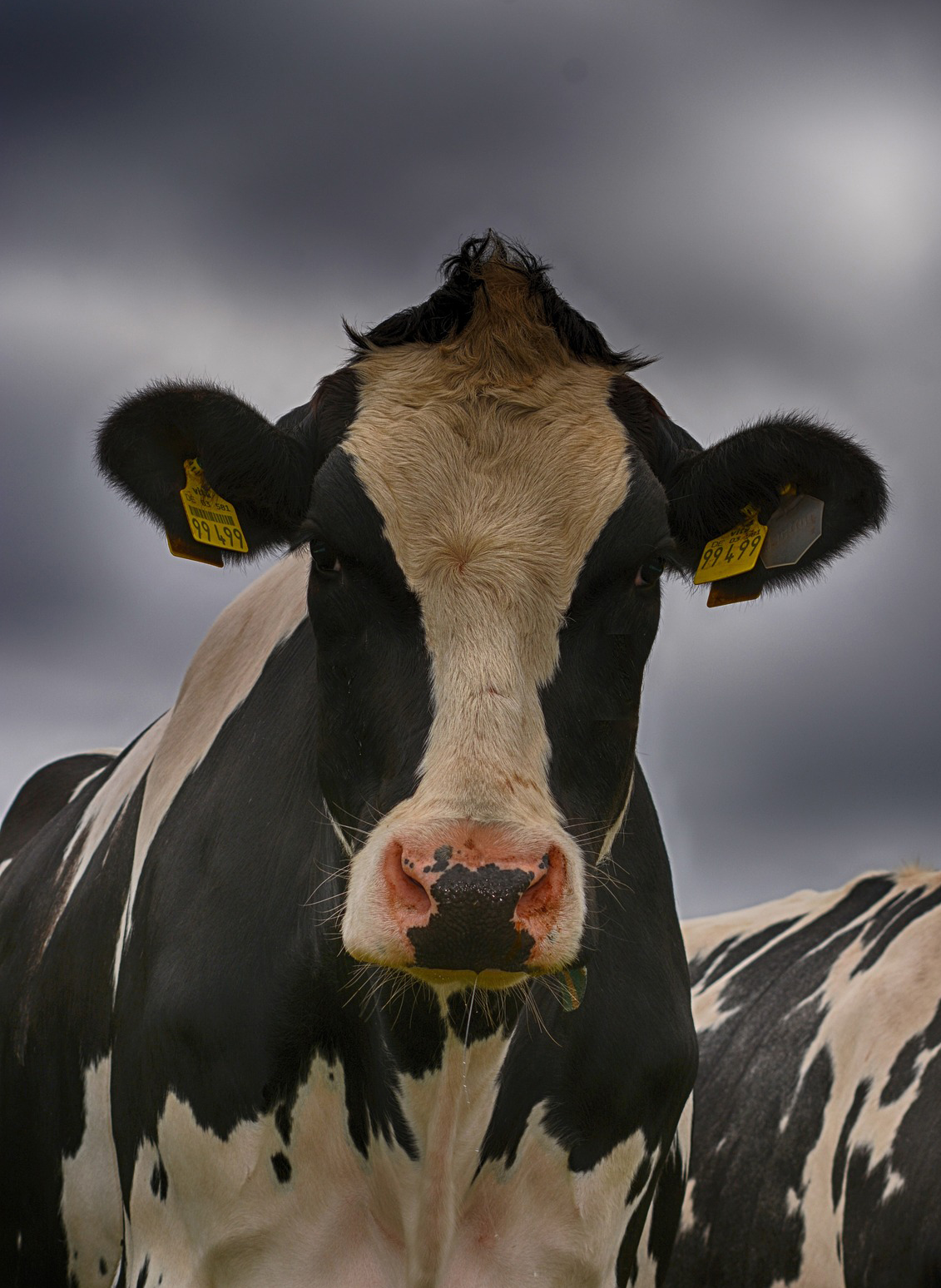
If you’ve ever walked along English footpaths, you’re bound to have encountered cows. These large grass eating animals with horns come in a range of colours and sizes and are close relations to water buffalo. But that is probably where the similarity ends. On the whole they are gentle, curious creatures who move away when you walk towards them. As far as I know they only eat grass and they don’t bite.

I’ve always thought they had nice faces and beautiful eyelashes. But yesterday I met one of Dorset’s rogue varieties.

Over the years I’ve had a few brief encounters with cows in fields. Usually, they are bullocks and I’ve found myself walking very quickly as a whole herd seemed to be moving towards me from one end of the field. My daughter, who is a runner, tells me she has been chased by cows several times and is very wary of them.

When I was a local newspaper reporter, I wrote a news story about a clergyman friend who was chased by an angry cow and tossed into the river. It turned out to be quite a funny story – although not for him – and it made the nationals! I’ve always thought it strange and put it down to the fact that he was running through the field with his dog and the cow may have been protecting her calves. But this doesn’t explain what happened yesterday.

Our late afternoon walk on the cliffs was rapidly turning into a sunset walk, as we circled back towards the seaside town we’d set out from. It had been the most inspiring jaunt beside a blue, blue sea with barely a wave in sight. We were hemmed in on either side by spectacular cliff top views and rolling heathland and the sun made it feel like July. We even disturbed some Sika deer – Japanese natives who swam across to the Isle of Purbeck from Brownsea island some years ago. Their fluffy white bottoms were very distinctive as they leapt across the gorse bushes in front of us. At least they seemed harmless.

I was looking forward to a long cold drink and fish and chips by the beach, while I attempted to keep up with the long strides of my fellow walker, who maintained his distance always a few metres ahead. Every few minutes he would pause until I had almost caught up, then stride on and I was left behind again! We climbed a stile and found ourselves in a field of cows, which we were admiring, if somewhat hesitantly. Further up a few of them were blocking the path and we decided to skirt round rather than expect them to move. Just as I’d begun to navigate the back end of one, I noticed a movement out of the corner of my eye and turned to see a large black cow, further up the field, hurtling towards me. The other cows looked on, probably as confused as me. 

One thing I’d heard about charging cows is that you are not supposed to run. Unfortunately, this cow hadn’t had the same memo and was speeding up. I mean he was going really fast, there were clumps of grass flying up from beneath his hooves. He must have thought he was at Cheltenham. I held my ground and as he galloped towards me I clapped my hands when he was a few feet away and he veered off to the left just in time. That’s the closest I have come to being charged at and it certainly got my heart racing.

“It must have been your top,” said my walking buddy, who’d been safely watching the action from some metres away. “He was coming for you, not me.”

“What d’you mean I said? That was scary.”

“You’re all in black and white… he thought you were another cow!”

This wasn’t amusing. I don’t know what the cow had on his mind or why he charged towards me. I only know it was scary, but the clapping thing worked.

My youngest son has a theory about cows. If you lie down flat in front of them in a field they will walk around you and won’t trample you to death. He tried it out for a few minutes once in a field, but lost his nerve when they came towards him.

So, real farmers out there – what can you tell me about cows and their behaviour? Are they our friends? Or do they all secretly want to hunt down hikers and toss them into the nearest gorse bush, when they have the chance?

The Jury is out. West country cows you’re on probation. I’m watching you!

Blue skies and unexploded bombs

It’s not the noise of gunfire I’m bothered about, it’s the unexploded bombs …

Our new home at Lulworth Camp in Dorset has been full of surprises. There’s the occasional rattle of gunfire, but with a sea view from almost every window, I’m not complaining. I’ve also nabbed the room with the best view as my study – so no excuse about lack of inspiration for writing.

UNADJUSTEDNONRAW_thumb_194aThe night before we moved in we enjoyed a stay in a local hotel overlooking Lulworth Cove. It was a real treat. We were even upgraded and that never happens to me. The suite had its own colour coordinated settee and tea and proper coffee and an enormous bed. The trouble is moving house and all the excitement didn’t equal a peaceful night’s sleep… At 4am we were discussing a nightmare about a crab (something to do with what we’d eaten apparently), when I was unnerved by something and let out a bit of a scream. Moments later there was a knock on the door asking us to, “keep it down in there.” One of us shouted that we were all right, convinced they would think there was a murder happening. Breakfast was a little awkward. Moving scrambled egg around the plates, we wondered which of the other couples had banged on our door and did they know we were ‘the screamers’?
We’re in Thomas Hardy country now, so exploring should be done on foot, or at least by bicycle. The local ordinance survey map shows footpaths galore, with one small hitch; many of the paths crisscross the army ranges that surround us and live firing means they’re only open at weekends and during school holidays.

After the hazy days of unpacking boxes, painting rooms (because you can only take so much magnolia) and finding our way to a supermarket – the first free weekend arrived bright and sunny. Although the garage sort out was beckoning, we turned our back on it and joined two energetic members of the family pedalling east in search of a forgotten village and an almost deserted beach.

The long climb up Tyneham Hill made me dream of an electric bike, but the view from the top and the sausage sandwiches helped. It seemed strange to be cycling through a firing range where cows and sheep grazed in amongst rusted out tanks. There was really very little to show that this was army territory apart from some large florescent numbers that stood out from the gorse on the hillside.

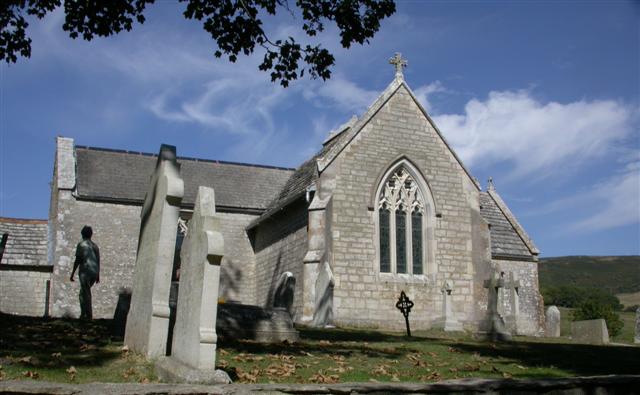
The next surprise was Tyneham village – a place that time forgot. The deserted village is only accessible when the firing ranges are open and lies just up from the sea, nestled in a valley at the foot of a fantastic freewheeling hill. The cluster of stone buildings includes a church, a school, some tumbled down cottages and the remains of a vicarage. When we arrived there were small groups of people wandering between the buildings, but unlike many tourist spots, a hush had descended. People spoke in muted voices as if, Doctor Who-like, we had travelled back in time to the 1940s when the village folk had moved out to allow the army to prepare for D-Day.

Tyneham_Church_-_geograph.org.uk_-_1889

Tyneham Church by Ben Gamble  www.geograph.org.uk 

The story of Tyneham deserves a dedicated blog and I’ve vowed to return for longer next time and soak up that palpable history from the beautifully preserved schoolroom to the church with its colourful tiles and walls lined with photographs from the past. A remembrance service is held there each year, which must be very poignant. Part of the sign left on the church door by parishioners in 1943 read: “…We have given up our homes to help win the war to keep men free. We will return one day thank you for treating the village kindly.” Sadly, they never returned.

After a tough cycle, for some of us, and an exceptionally hot day for October, we were looking forward to a dip in the sea. There was a slight hitch as no-one had brought a bike lock and a zealous ranger told us we couldn’t even push our bikes on the range path to the beach. Undeterred we hid the bikes in some bushes and hoped for the best.

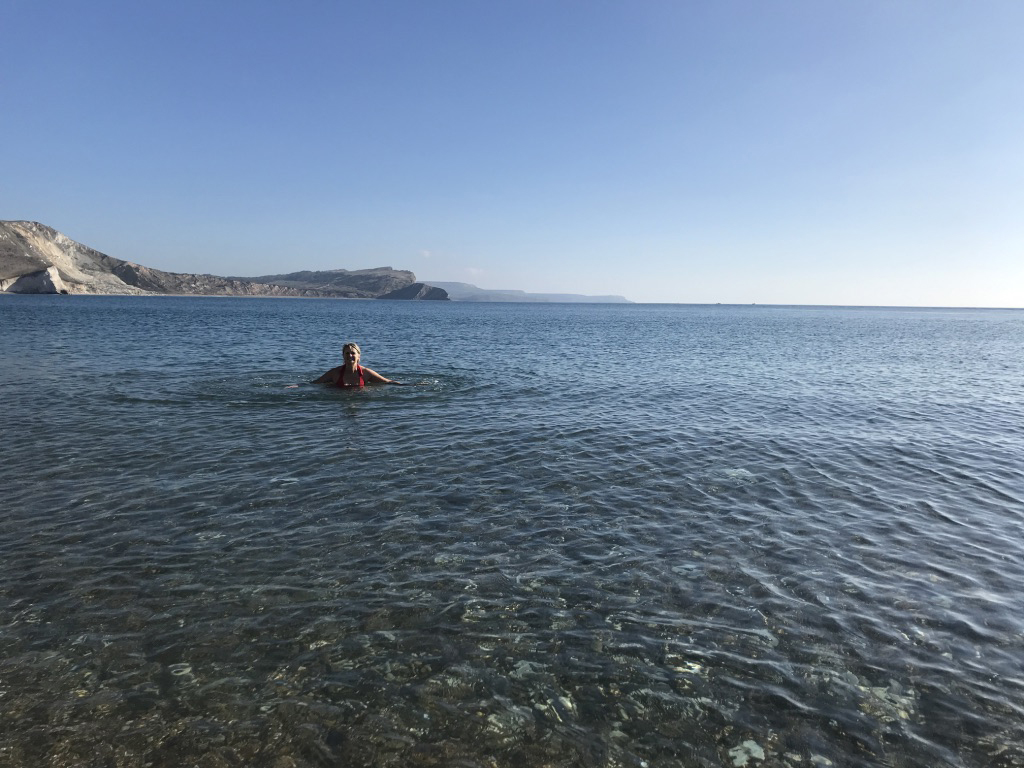
Warbarrow Bay emerged around the corner glistening in the sunshine and we all stripped off and plunged into the very cold crystal clear water. Five minutes was long enough for me to say I’d had a swim to the anchored boat and back. It was amazing to think we were swimming in the bay we could see from our house.

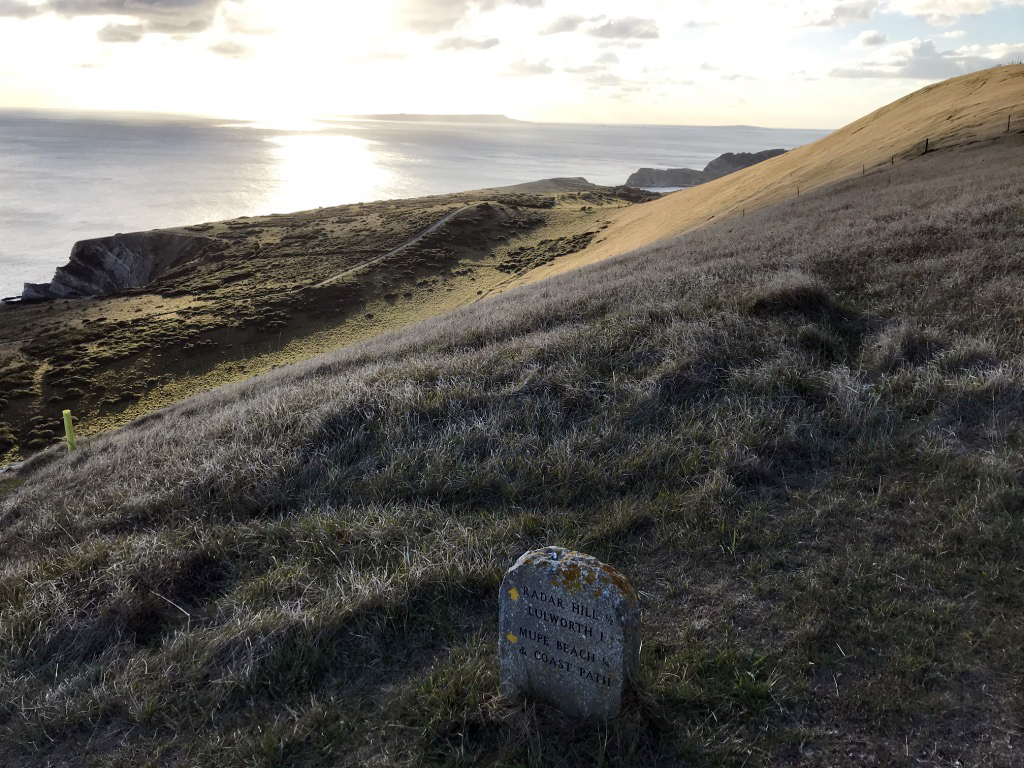
The next weekend wasn’t quite as warm, but we decided to explore the other end of the bay on the range walks and battled our way up a very steep hillside on the cliffs, while a sharp northerly wind made me pull my woolly hat down over my ears.

We spotted a sign warning us to keep off the barb wired beach due to unexploded shells, which we dutifully obeyed. Further up the cliff the path broadened out and with no-one about one of us decided it was safe to venture off the path a few metres into some shrubbery to… you know, call of nature. It turned out this was a bad idea. Catching up with me a few minutes later I heard how he’d spooked himself after kicking over a piece of metal, only to read the words: ‘Danger unexploded shells – keep out’. At which point he looked around and spotted dozens of pieces of metal poking out from the undergrowth in all directions.

Oops!

Lesson 1: Use the facilities before you venture out on the ranges. Unexploded anythings deserve respect.

cliff walk lulworth