Pentecost pilgrims

It’s always the last mile that’s the hardest! You think you must be there and the end is just around the corner or over the next hill… then it isn’t!

Arriving in Santiago de Compostela was just like this – we’d seen the cathedral towers in the distance way back, the streets were getting narrower and the yellow arrows appeared to have given up. Which way now? Then I spotted a brass scallop shell in the pavement – this was the way. We must be close! The narrow cobbled streets were full of people and it was hard work negotiating a way through with a back pack and walking poles.

At last we were entering the huge piazza and the immense cathedral frontage loomed above us. We’d arrived at the same time as a couple of pilgrims from the Netherlands who we’d be sharing the last few days of the journey with off and on. We all laughed and hugged and said the inevitable congratulations to one another.
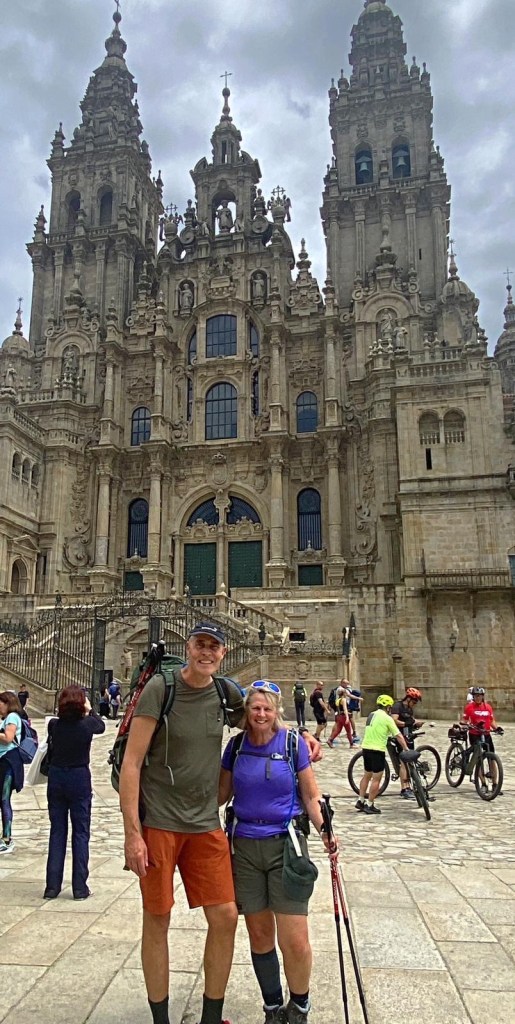
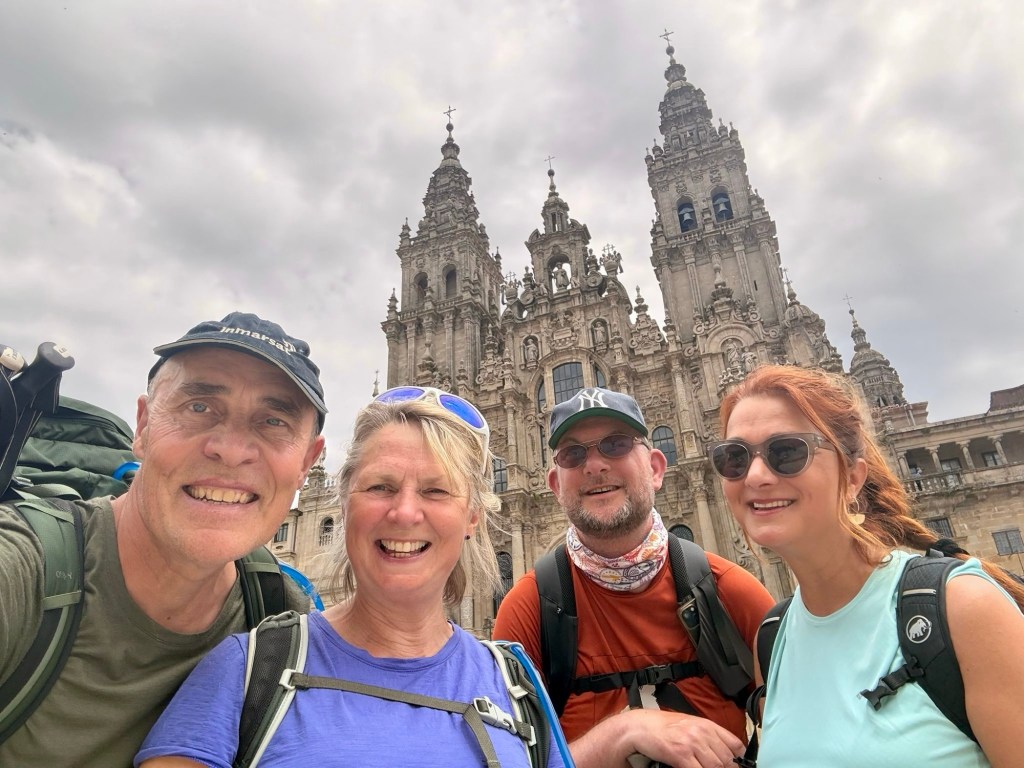
Each of us seemed somehow dazed and after taking a few photos we just dropped our rucksacks and sat on the ground looking up at the vast stone towers.
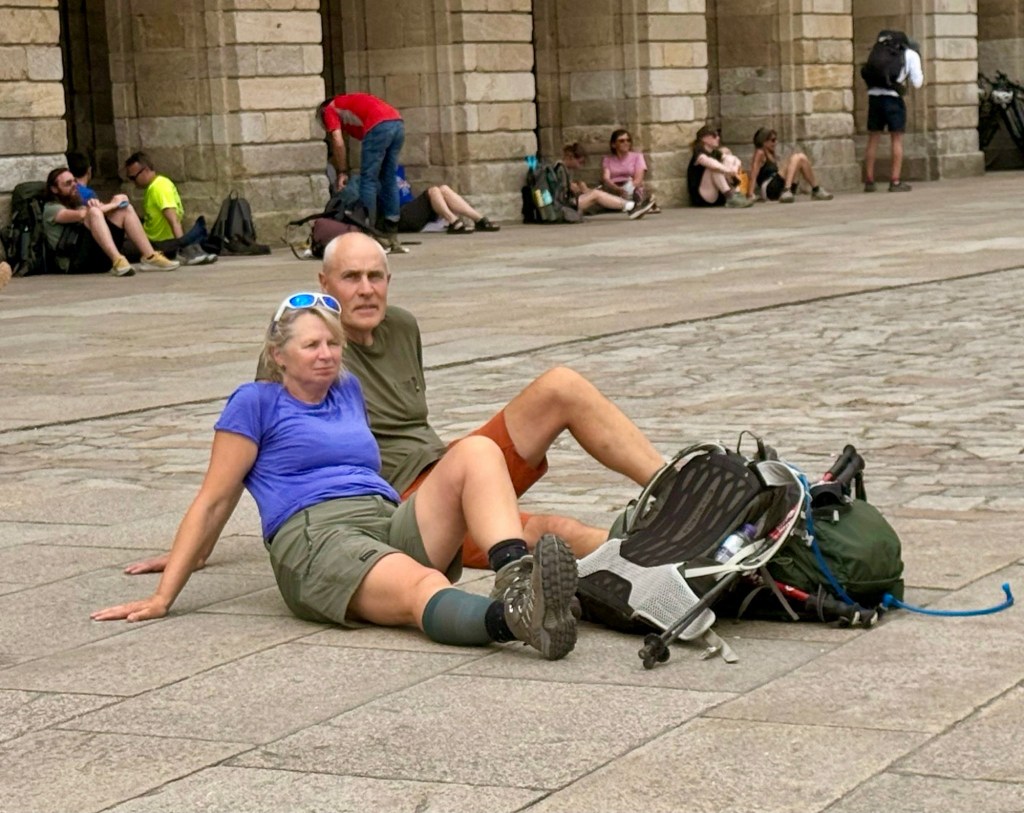
We’d made it. It felt good. All around the square there were groups of pilgrims taking photos, couples hugging, people cheering, while some just sat staring ahead as if they couldn’t believe it was over.

As I limped towards the Pilgrim’s Office to collect my certificate, I was still trying to work out what it was all about. It had been more than a physical challenge, something else was going on and for each of us that would be different.
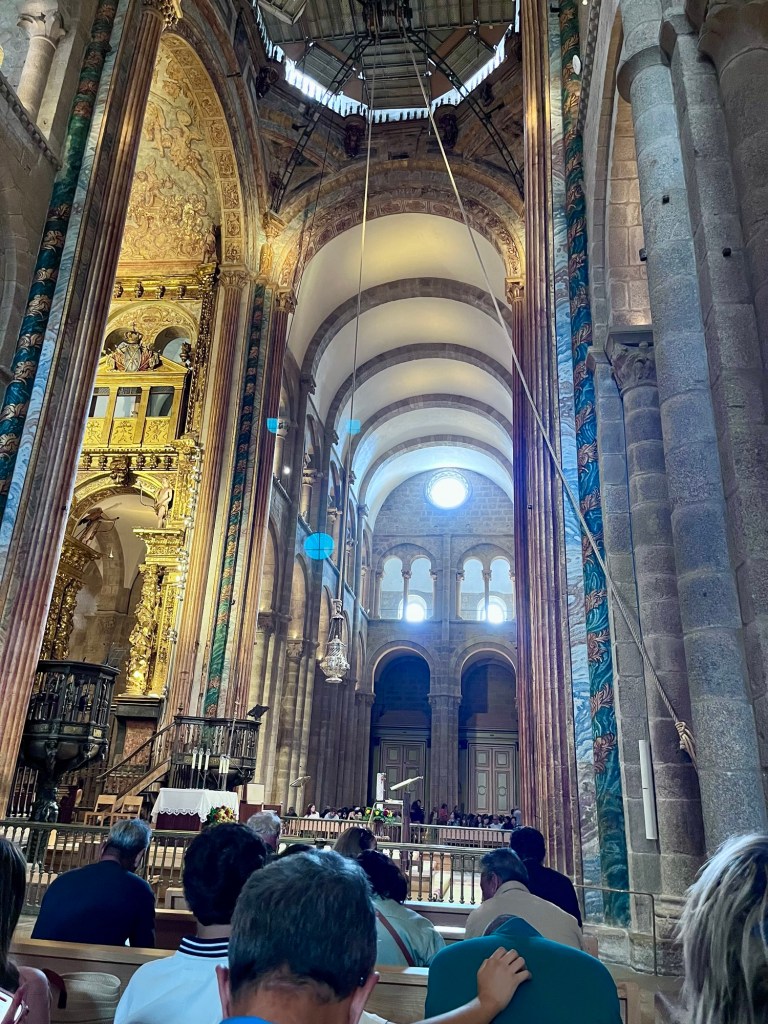
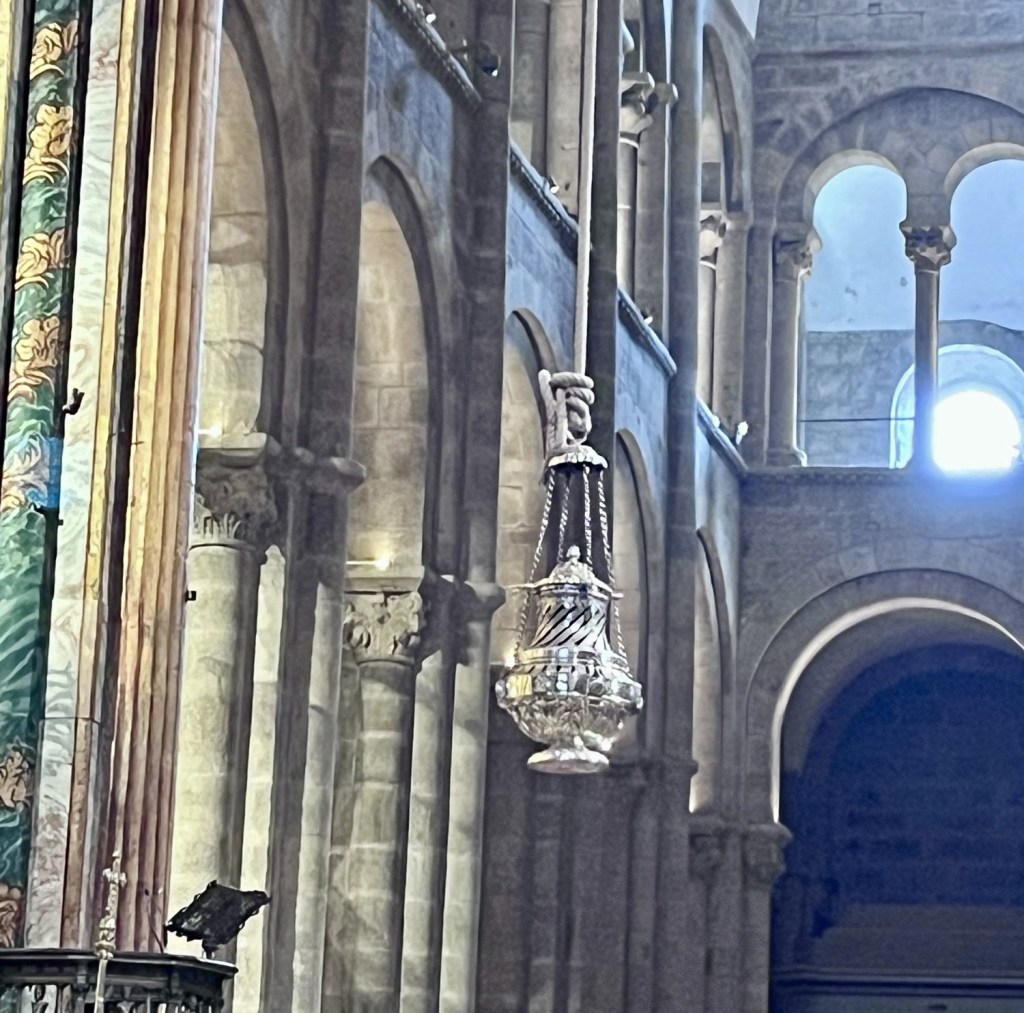
An hour or two later as I sat in one of the plain wooden pews inside the cathedral gazing up at the huge silver thurible suspended over the altar, I was still wondering what this Camino meant for me.
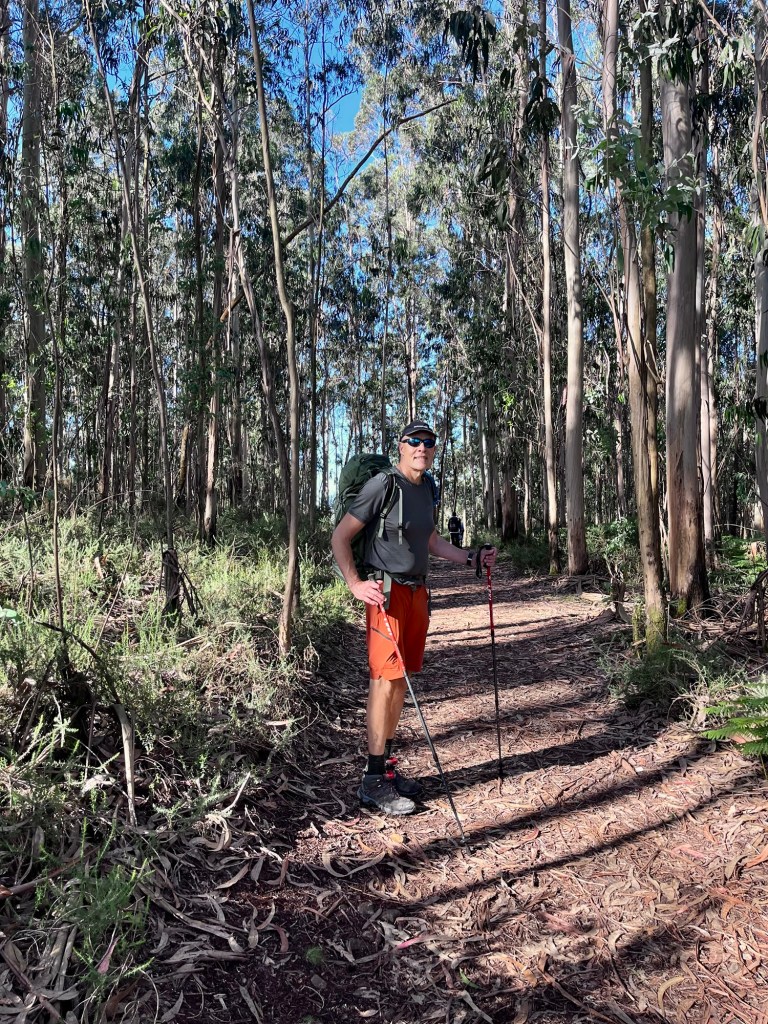
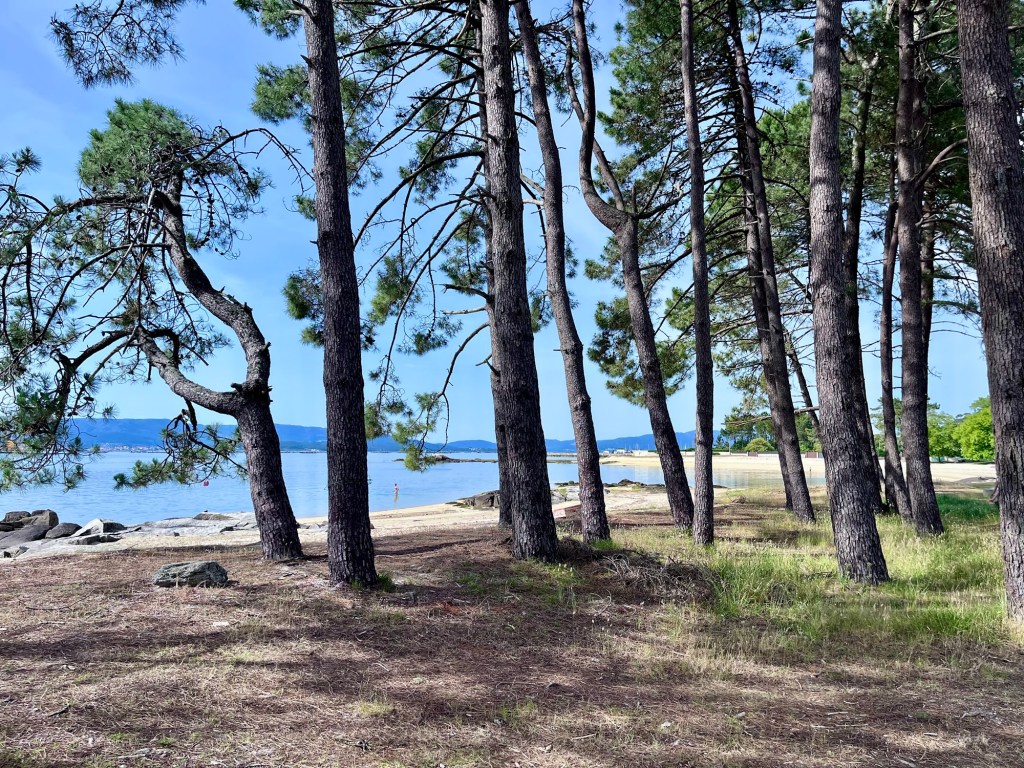
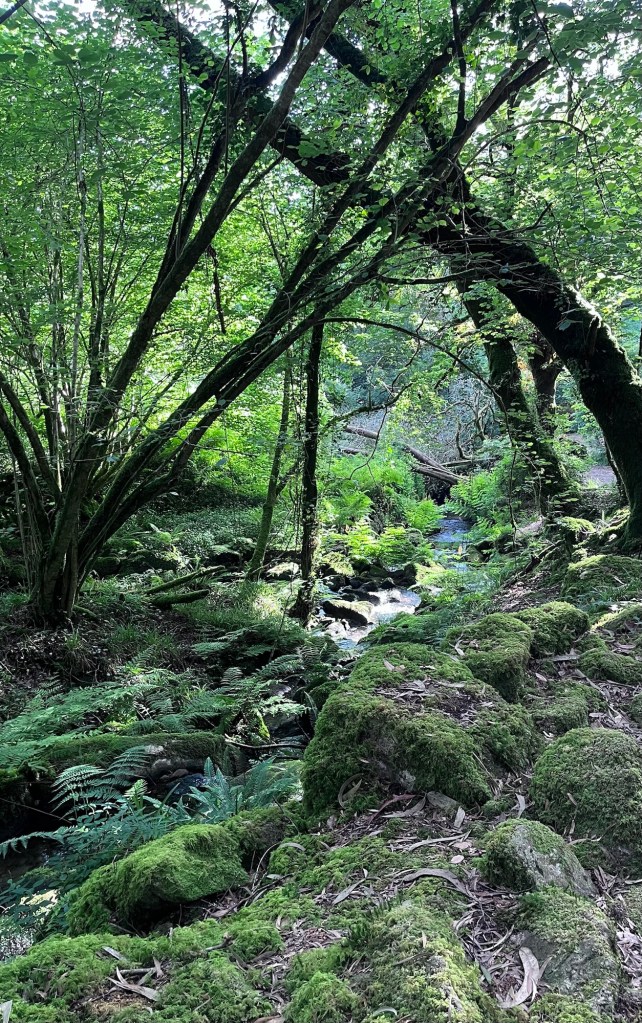
I have loved being immersed in God’s creation walking through such beauty and variety, from the sandy coastal boardwalks to the steep stone and water trails, with twisting paths beside gushing streams carving a route between moss clad trees and huge boulders. Then being bathed in scented shade through forests of eucalyptus and pines.
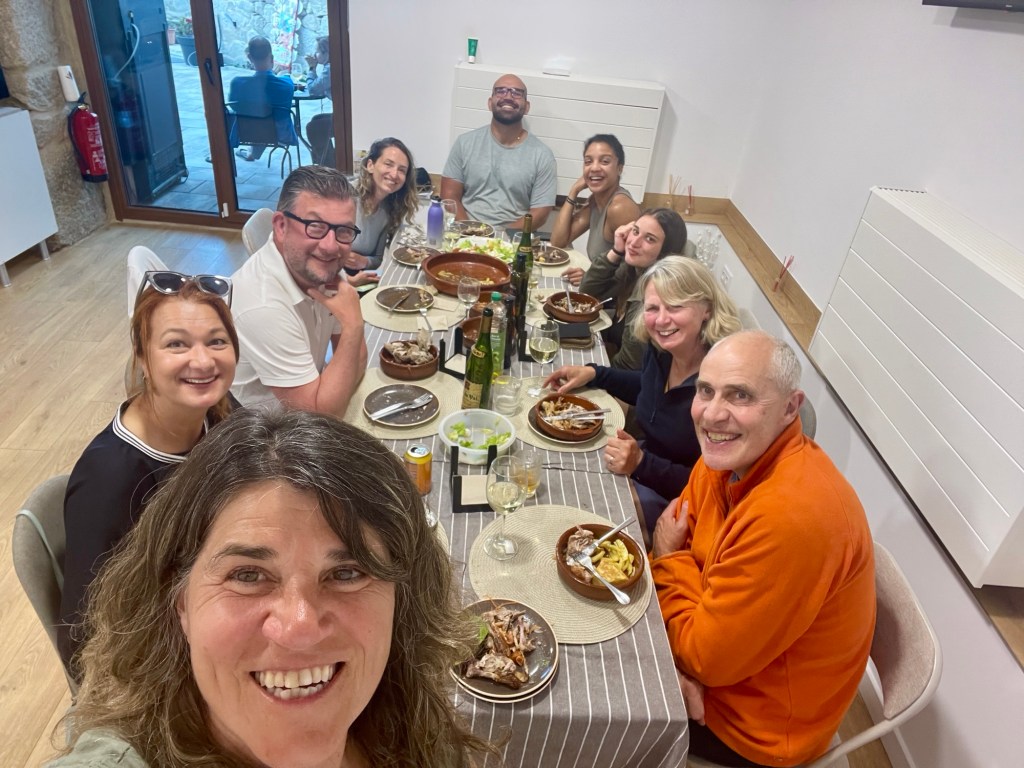
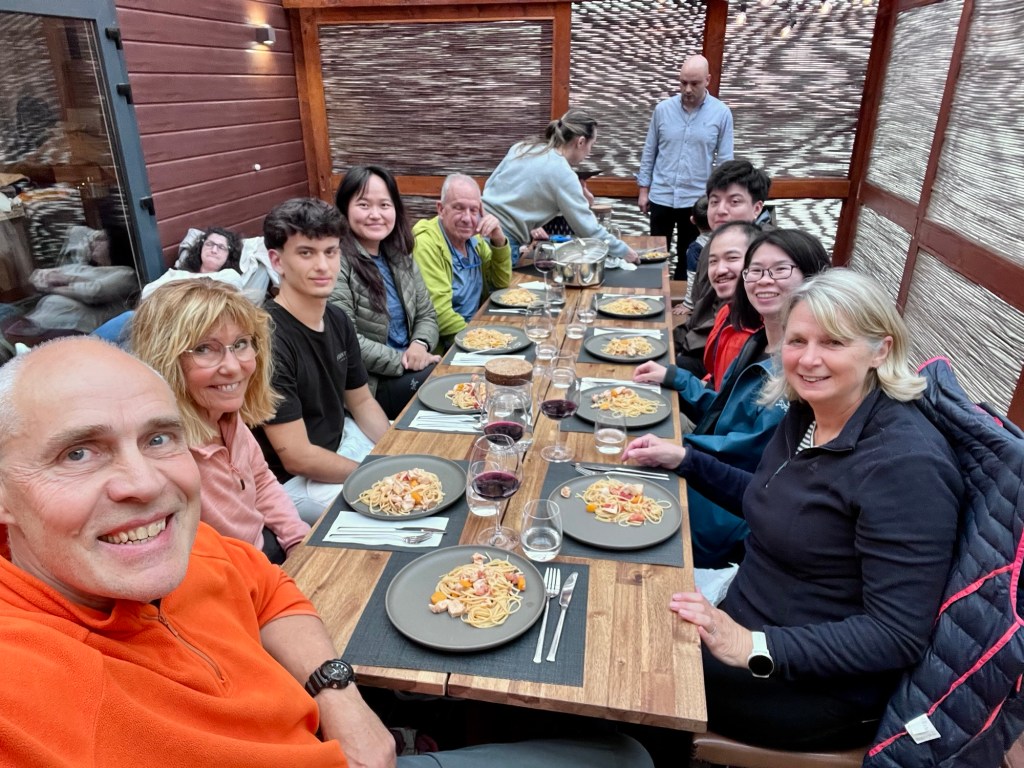
I have also loved meeting pilgrims from all over the world – sharing stories, giving encouragement and re-meeting each another throughout the journey. One group of young people from New York, who we had shared a meal with in our very first hostel, were so happy to meet up with us again on that final path into Santiago. The connection with others along the road is a very important part of pilgrimage.
But one thing stands out for me in all this and that has been precious time to talk with God in an unhurried way as I walk. Walking alone surrounded by nature has opened up a window on prayer that has been invaluable. I have loved chatting with God, asking for help, guidance and healing for friends, for family, and for myself. I’ve had a chance to listen to his still small voice whispering through the grasses or reassuring me as I rest my palm against a mossy tree trunk. I’m so grateful for this time and for new perspectives, deeper calm and glimpses of a rhythm of grace I have been searching for.
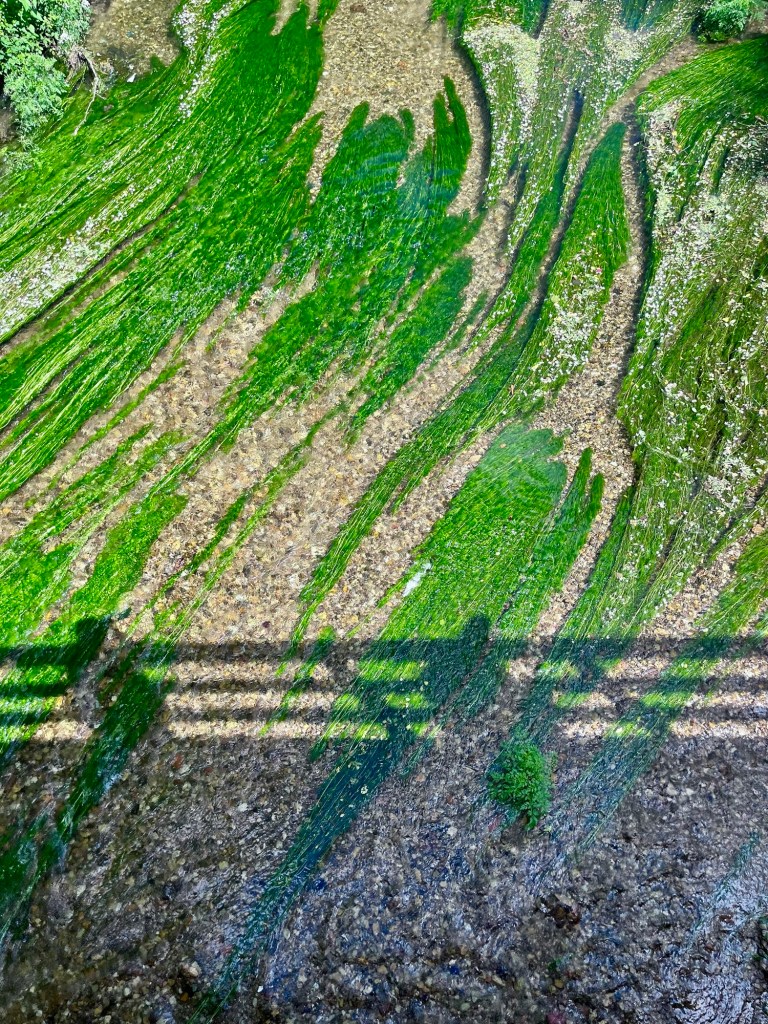
As we journey back by bus from Santiago to Porto for our flight home, we are speeding past all the hills, valleys and towns we have trailed through these past 14 days. It brought home that it really was quite a long walk!

Yesterday we stood in awe during the Pentecost service in Santiago Cathedral, while the giant thurible flew through the air above us. It was an amazing sight as the cathedral team hauled on the ropes and the smoke from the incense filled the air around us. I’d never seen anything like it. The choral music added to the atmosphere, and with the cathedral packed with worshippers, there was a tangible sense of our prayers rising up to God on this very special Holy Spirit day.

My hope and prayer going home is that this pilgrimage experience will open up a new way of praying and of being – both on and off the Camino.
Borderland shopping

I never used to take my passport when I went shopping, but then I’ve never lived in Cyprus before. Now my well stamped border paper and passport are an essential part of a trip to the city. That’s because shopping in the country’s capital is a peculiar experience.
Yesterday I strolled down Nicosia’s Ledra Street with a couple of family members, we past some familiar names like Debenhams, Peacocks and Starbucks and could have been walking through any European city centre. The several storey buildings loomed above us and cafe tables and A-frame blackboards with enticing offers spilled onto the pavement. But after a few minutes the shop fronts disappeared and we were wandering past a bare section of walls and barricaded fencing before we found ourselves in a queue at a customs kiosk. Our passports were examined and stamped and we continued on down the street into another world of shops and stalls, slightly scruffier this time, but also spilling onto the pavement with an array of goods, where new scents and sounds were on offer. It was a little like walking through the wardrobe into Narnia, but without the fur coats. The currency had changed to Turkish Lira within a few metres, yet it was the same street and the same city. This other side of the city looked poorer though and more run down, there were less high rise buildings and many more crumbling sections of concrete and simple shops selling anything from fake designer T-shirts and handbags to rolls of material and chunky baskets.
Stopping to admire some tablecloths, a stall-holder and his son began to chat to us.
“So you’re staying on the rich side and visiting the poor side are you?”
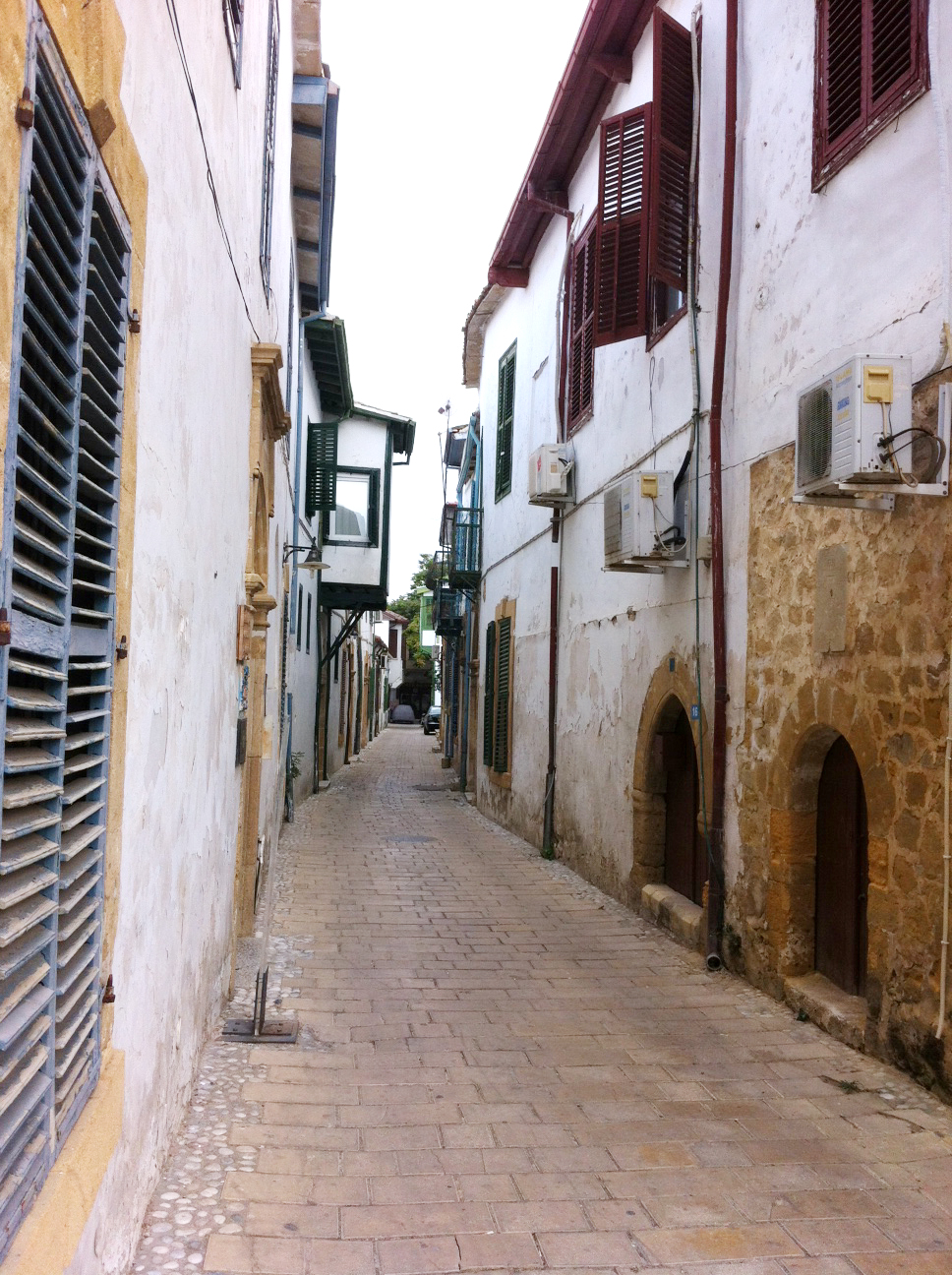
We felt a bit embarrassed by this and I promised to return another day, when I had room and time to buy a basket and a tablecloth. They pointed out the barricade at the end of a side street and shook their heads, “We’re not Turkey, we’re one Cyprus…it’s one country. We’re Cypriot”, they explained. Winding our way through the narrow streets of shops I knew what I was heading for, but which streets led there was another matter.
inn
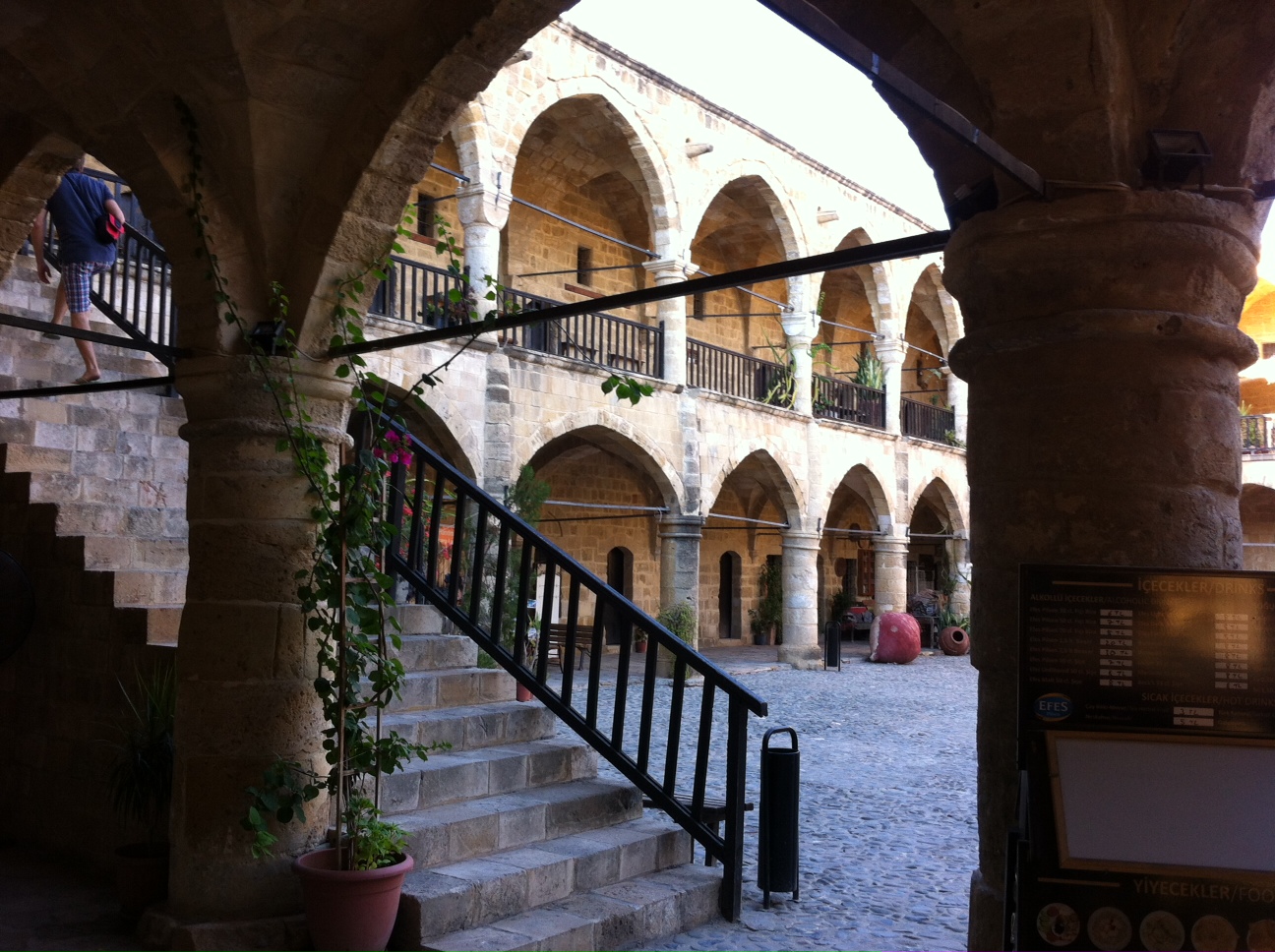
After taking a circuitous route we eventually found the ‘Buyuk Han’ or Great Inn which dates back to the 1500s. Walking in through the archway we found ourselves in a walled courtyard lined with arches in a soft sandstone. In the middle was a domed hexagon shaped building, also with arches at its base. Round the corner wide steps led to the upper floor, which looked down on the courtyard, with rooms leading off, where travellers, and I imagine crusaders, would have stayed, leaving their animals to rest down below. Now the rooms are filled with artists and craftspeople, selling anything from painted glassware to jewellery and sculpture. It hasn’t lost its atmosphere though and sitting at the cafe tables below you could imagine being transported back to the days of Robin Hood and Richard the Lionheart, with camels and horses appearing in a ball of dust through the archway. In fact, this place wouldn’t have been there in that era…but why let the facts get in the way of my imagination?

Nicosia is filled with history and culture and I was keen to show off some of the bits I could remember from a fleeting visit a few weeks earlier. But I’m not the best with directions and maps and unfortunately my sister is no better! Still, we found ourselves at the ancient Cathedral of St Sophia, now a mosque. The massive gothic building had been carpeted throughout, two minarets tower above the arched windows and many of the carvings and statues have been chipped away to remove the Christian symbols. But it couldn’t take away the similarities with many gothic English Cathedrals. Carvings of leaves still adorned the door arches and curled themselves around pillars at the entrance, but it wasn’t quite Southwell Minster. I slipped off my shoes, wound a scarf round my shoulders and head and stepped inside. It was strange to feel the carpet on my bare feet and look up at the vaulted roof and massive pillars – Richard the Lionheart had been crowned King of Cyprus right here. If these walls and pillars could speak, what would they tell me?

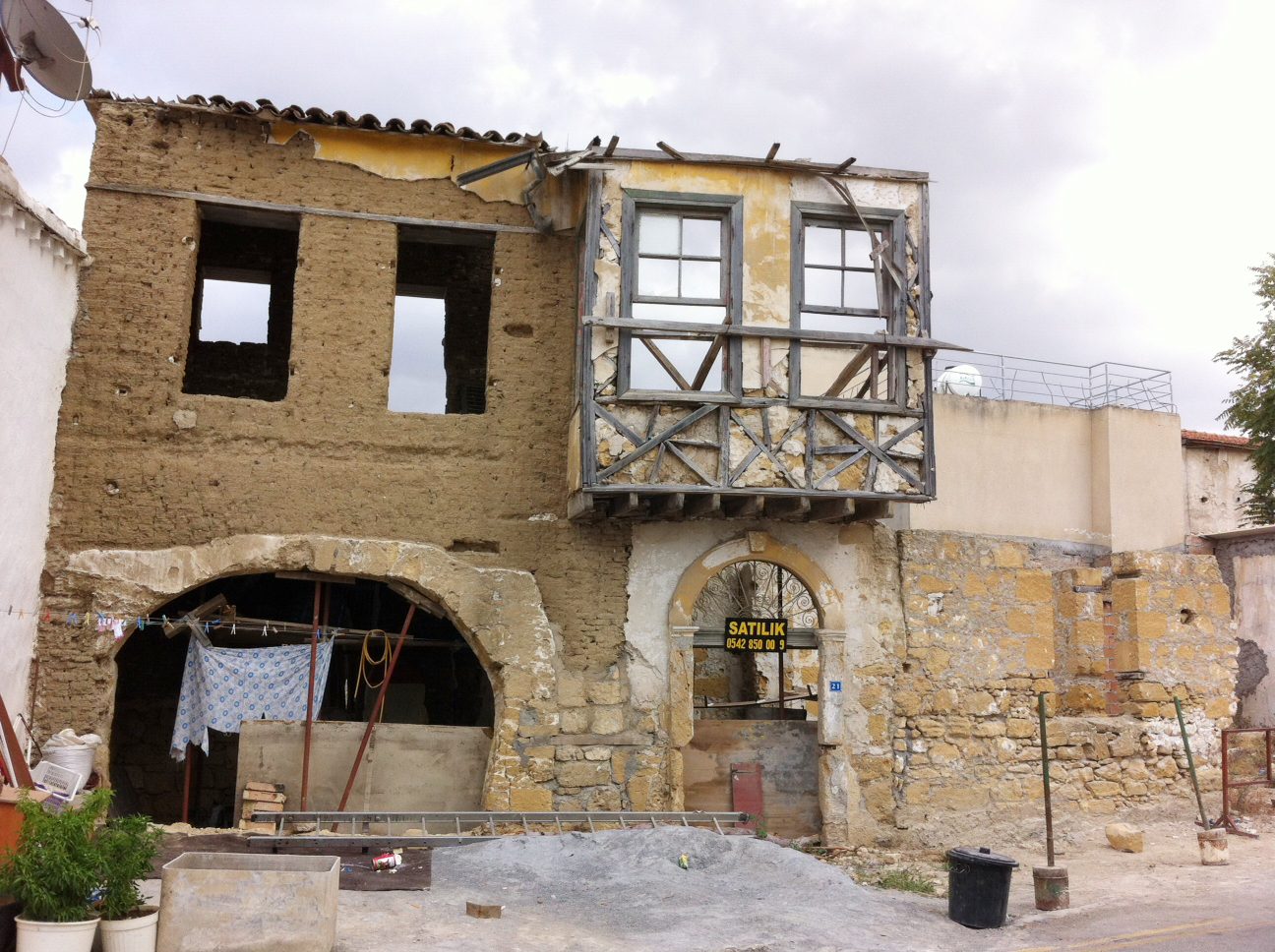
We were keen to see some more of the history and walk along the massive Venetian built city walls, so after pouring over a map and turning it round a few times to see if that helped, we headed off in what we thought was the right direction. One of the party was sighing frequently and looking over his shoulder as the streets became more and more empty and the houses increasingly dilapidated. “Where are we going?” was the question…we were heading for the city walls of course, patience was required. More twists and turns and the only people we saw were children peering from behind half open doorways. A shrill whistle just beside us made everyone jump and we peered round to see a clutch of small children giggling at us from behind a parked truck. I think they knew something. Sometime later and no wall in sight we gave up on the map reading and wound our way back in the direction of the minarets, through more deserted alleyways and streets and even a motorbike graveyard hidden behind a corrugated fence. A collective sigh of relief was breathed when shops appeared and other people were walking past us! The wall was also eventually found, after we asked for directions (who does that?). Below the huge Venetian built walls we looked down into the massive moat which runs right round the city and part of which hosts a shared football pitch in the middle of no-man’s land, where young people from both sides can play. No matches were on today. Looking across the vast dried out moat between the walls we could see the UN headquarters, with its flag fluttering on top, in a former hotel that had seen much better days.
photo 2 photo 1
Finding our way back to the border crossing involved tackling another maze of streets that frequently led us to dead ends and barriers with a red sign of a soldier with a gun and a camera crossed out marked as a ‘forbidden zone’. As we skirted the buffer between north and south, the buildings became more and more derelict, some with war damage and many crumbling through neglect. Later, after we eventually crossed the border from one shopping street into another, we paused to look at the narrow gap between the buildings in no-man’s land. This little stretch of land, barely 10 feet wide, where several storey buildings towered above us, is called ‘Spear Alley’ after an incident where a soldier was killed by one from the opposite side simply leaning across with his weapon and running him through with his bayonet. Apparently at one time bayonets were strapped to broom sticks and there was jousting across the alley from the balconies above. This area of the city is called ‘the Green line’ and is a constant reminder, to all those who cross, of the deep divisions that remain. A few steps from Spear Alley as the first European shops emerged there was a bench and plastered into the wall above it a tile which read: PEACE. We sat there for a moment and wondered how long before that will become a reality for the Cypriots living on both sides of the line. I wasn’t in the mood for shopping anymore.